
Skip to content
Menu
LandWISE – Promoting sustainable land management
  • Welcome
    • About
    • LandWISE Committee
    • Contact
  • Projects
    • Carbon Positive
      • Carbon Positive Reports
    • Nitrachek: Farmer Friendly Nitrate Testing
    • SLAKES: a cost-effective measure of soil structural stability
    • Soil Repair after Cyclone Gabrielle
    • Vegetable Production Nitrogen Management
    • Best Management of Nitrates in Process Cropping
    • Future Proofing Vegetable Production
    • Herbicide Resistance Management
  • Events
    • Cyclone Gabrielle Research Symposium
      • Historical North Island Flood Events
      • An extraordinary storm: the severity of Cyclone Gabrielle’s weather in Hawke’s Bay
      • The Science Response in the Year of Storms; A Gisborne/Tairawhiti perspective
      • Insights into causes of landslides triggered by Cyclone Gabrielle
      • The effects of Cyclone Gabrielle on fruit tree health in Hawke’s Bay
      • Impact of Cyclone Gabrielle on stonefruit orchards in Hawke’s Bay: a case study
      • Charting the Course following Cyclone Gabrielle
      • Baseline sediment sampling in Tairawhiti and Hawke’s Bay
      • Impacts on cropping businesses
      • Understanding the flooding caused by Cyclone Gabrielle
      • Building Flood Damage from Ex-Tropical Cyclone Gabrielle
      • Food safety and critical incidents: A unified approach for safer produce
      • Silt nutritional status and contamination concerns
      • Lessons from the horticultural sector response to Cyclone Gabrielle
      • Ecological impacts of Cyclone Gabrielle
      • Cyclone Gabrielle and Poplar Windthrow in Northland
      • Seed Size and Establishment Method Determine Crop Recovery Following Cyclone-Induced Silt Deposition
      • Returning to (some) baseline sampling sites to assess cropping soil recovery
      • Recovery of annual cropping ground – Grower learnings
      • Recovery of Annual Cropping over 2 Years
      • Technical and extension learnings from Cyclone Gabrielle
    • Getting to Carbon Positive!
      • Getting to Carbon Positive – Presenters
    • Rebuilding Our Soils
      • Rebuilding Our Soils – Presenters
    • Events Archive
  • Tools
    • Nitrachek Calculator
    • Carbon Calculator
    • Nutrient Budget
    • Irrigation Evaluation – IRRIG8
      • IRRIG8: Centre Pivot
        • IRRIG8-online: Centre Pivot User Guide
      • IRRIG8: Linear Move
      • IRRIG8: Travelling Irrigator
        • IRRIG8-online: Travelling Irrigation User Guide
      • IRRIG8: Multiple sprayline calculator
      • IRRIG8: Solid set irrigation
      • IRRIG8: Pressure and energy
        • Pressure and Energy Calculator: User Guide
    • ANOVA Tool for statistical significance
    • Fertspread Spreader Calibration
    • Fertspread Placement Calibration
    • Soil Infiltration Calculator
      • Disc Permeameter User Guide
      • Disc Permeameter Calculator: Frequently Asked Questions
  • Blog
  • Sign Up
  • Login
  • Members Only
    • Online Learning
  • Account
  • Site Search
LandWISE – Promoting sustainable land management

Alternatives for Crop Protection

Posted on April 26, 2024

Presentations at the LandWISE Conference “Rebuilding Our Soils”

In the summer of 2023-2024, the LandWISE MicroFarm grew process tomatoes for Heinz-Wattie’s using three alternative management systems: conventional, regenerative, and a hybrid taking from each. One of the principles for a regenerative system is to build natural resilience rather than rely only on a chemical-based crop protection regime. Nothing new, of course, we’ve had IPM programmes for decades.

How can we apply these concepts in an intensive process vegetable crop production system? What are the elements we need to consider, and how do we bring them together? There are tried and proven approaches, there are ongoing developments, and there are new ways that are being explored. Come to the LandWISE Conference “Rebuilding Our Soils” and hear what experts have to say!
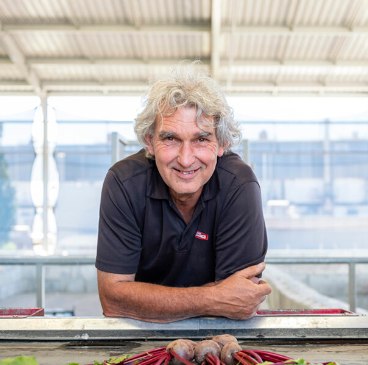
Photo credit Baybuzz, Florence Charvin

Bruce Mackay, Heinz Wattie’s agricultural manager, has been an agronomist for a long time and has seen and tried different growing philosophies in a commercial context. As a key partner in Carbon Positive, Wattie’s has been deeply involved since Day Zero, and doubly so through the 2023-24 cropping season as we’ve worked to integrate regenerative agriculture principles into an intensive crop programme. Why is Kraft-Heinz interested at a global level? Why is Heinz-Wattie’s investing in local research?
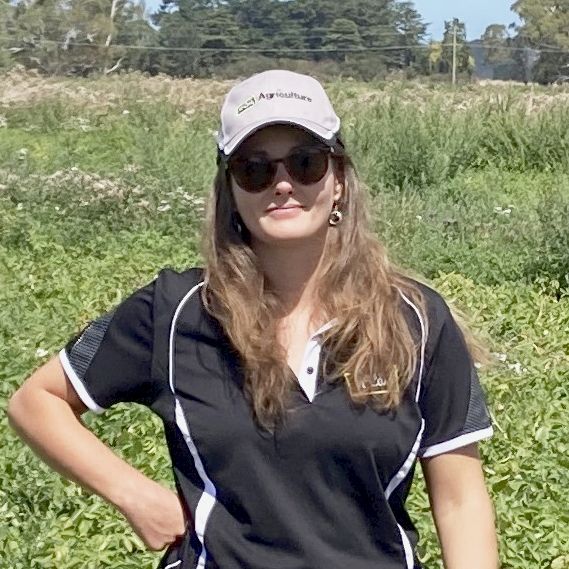
Tika Schellevis started working on assessment of regen ag practices in Canada as part of her master’s degree in climate studies at Wageningen University. Over the last two years, Tika has been part of McCain Foods’ Regen Ag journey. Since October 2023, Tika has been working with the McCain Foods agronomy team in Timaru. Tike will outline how the Environmental Impact Quotient, EIQ, can help understand the relative impacts of different agrichemical options, and help select an optimal programme.
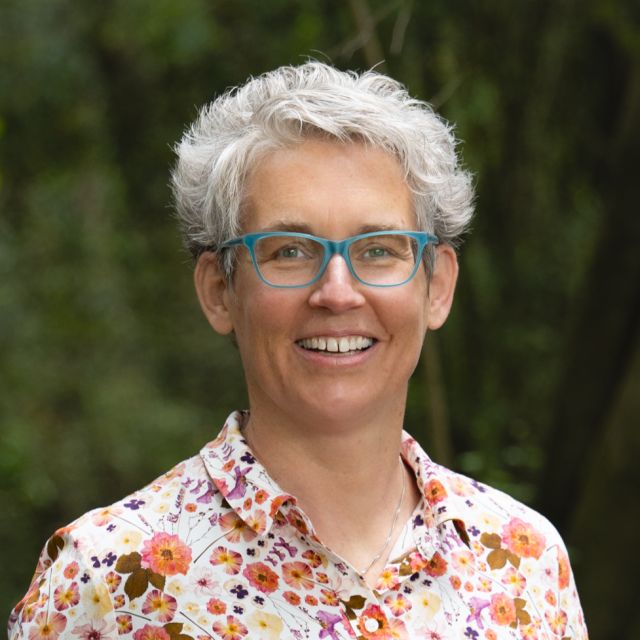
Jessica Vereijssen will discuss integrated pest management, using our crops as examples, but presenting transferable principles. She leads the Insect Dynamics, Ecology, and Sustainability team at Plant & Food Research in Lincoln. Jessica specialises in Integrated Pest Management and sustainable management programmes, considering the biology, behaviour, and ecology of pests. Her current research delves into (invasive) insect vectors such as psyllids and aphids, as well as the potential transmission of plant pathogenic organisms, leveraging her dual background in entomology and plant pathology. 
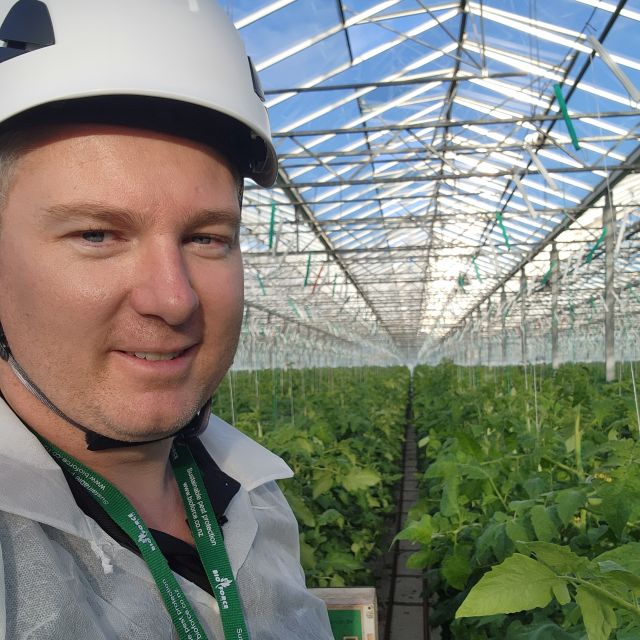
Chris Thompson will describe the use of predatory insects. He is a seasoned professional in the biotechnology industry, and Managing Director of Bioforce, where he leads the development of sustainable agricultural products and environmentally friendly solutions for various industries. When we received a “bag of bugs” to help control Tomato Potato Psyllid, he’s who we rang with twenty questions. Where do we put them? What agrichemicals might be OK? Which ones should we avoid at all costs? etc.
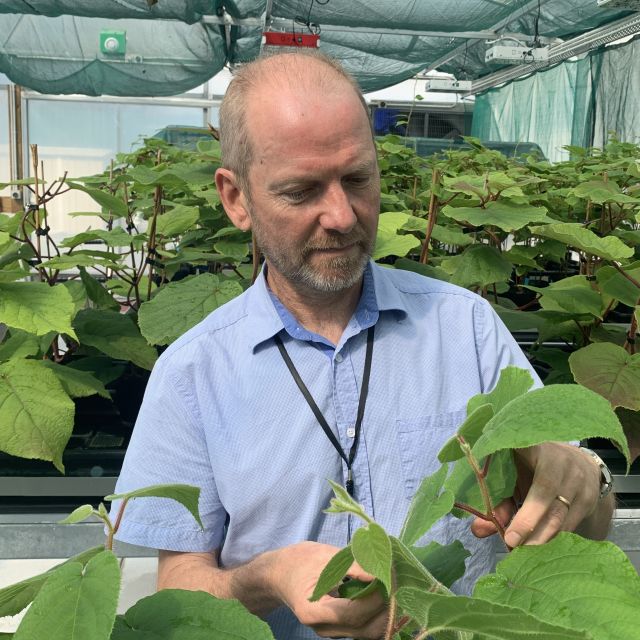
Since we began the Carbon positive project, we’ve been introduced to a huge range of products described variously as crop elicitors, bioactives, biostimulants, natural protectors and more. Tony Reglinski is a Senior Research Scientist at Plant and Food Research where he investigates the use of plant defence inducers to enhance natural resistance against pathogen attack. His research has covered a broad range of crops including, cereal, radiata pine, wine grapes and kiwifruit. His aim is to is to improve our understanding of the benefits and potential limitations of inducers in order to facilitate their practical implementation as crop protectants.

Come along and hear these experts as they lay out options to increase our resilience and reduce reliance on single approaches to crop protection. The principles and concepts apply broadly, so there wil be gold nuggets regardless of your crop interests!

  • Cyclone Gabrielle Research Symposium
  • Biodiversity Strips Update
  • Carbon Positive: Butternuts
  • Carbon Positive: Butternut Planting to Side Dressing
  • Nitrate Levels on the MicroFarm
  • Cyclone Gabrielle Research Symposium
  • Introducing Carys Luke, our Summer Intern
  • Soil Infiltration Calculator
  • MicroFarm Biodiversity Update
  • Irrigation System Testing
  • Carbon Positive: Butternut Planting
  • NZARM Conference 2025

RECENT POSTS

  • Cyclone Gabrielle Research Symposium
  • Biodiversity Strips Update
  • Carbon Positive: Butternuts
  • Carbon Positive: Butternut Planting to Side Dressing
  • Nitrate Levels on the MicroFarm

CATEGORIES

  • Agritech
  • Asparagus
  • Conference
  • Courses
  • Cover crops
  • Cultivation
  • Events
  • Fresh Vegetables
  • Irrigation
  • Membership
  • Nitrate
  • Nutrition
  • People
  • Permanent crops
  • Pests
  • Process Crops
  • Projects
  • Protected cropping
  • regenerative agriculture
  • Regulations
  • Research
  • soil health
  • Sustainable technology
  • Uncategorized
  • Water resources
  • Weeds
©2023 LandWISE – Promoting sustainable land management

Disclaimer: Any information on the LandWISE website or linked LandWISE resources is of a general nature only. We endeavour to provide accurate and adequate information relating to the subject matters contained in it. It has been prepared and made available to all persons and entities strictly on the basis that LandWISE, its researchers and authors are fully excluded from any liability for damages arising out of any reliance in part or in full upon any of the information for any purpose. No endorsement of named products is intended nor is any criticism of other alternative, but unnamed product.