Crop Stacking in Pukekohe Vegetables
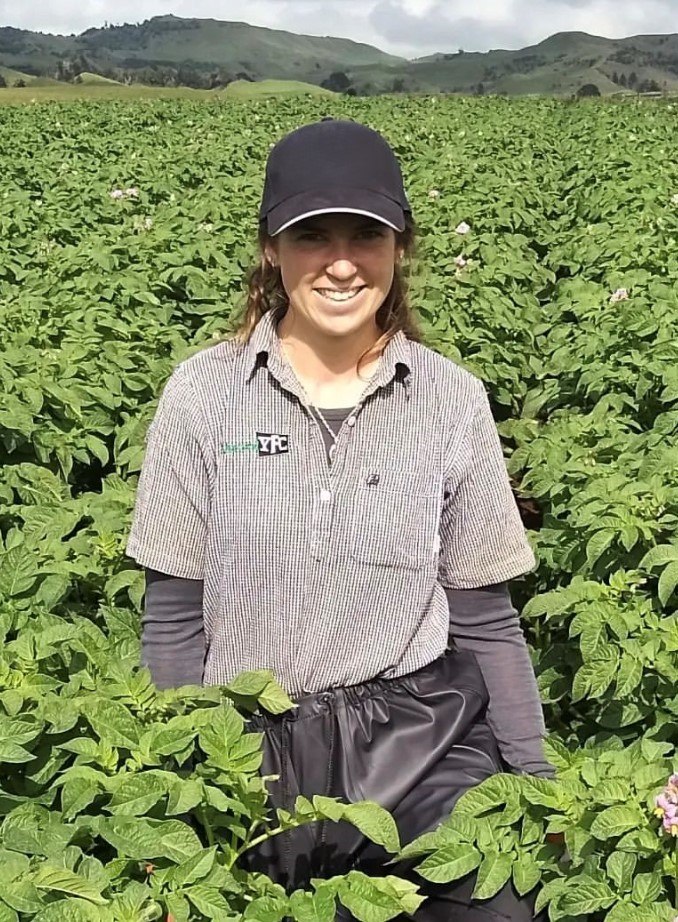
Katherine Martin is a consultant at Perrin Ag, working across agronomy, farm systems, and environmental planning to support growers in improving productivity and strengthening environmental outcomes. Her work spans vegetable and pastoral systems, with a strong focus on soil health and regenerative practices at the paddock scale, alongside translating research into practical, farm‑ready insights for growers.
Intensive vegetable systems often leave soil bare between crops leading to nitrogen leaching and soil erosion. Crop stacking offers an innovative approach keeping living ground cover in place for the months that would otherwise be fallow.
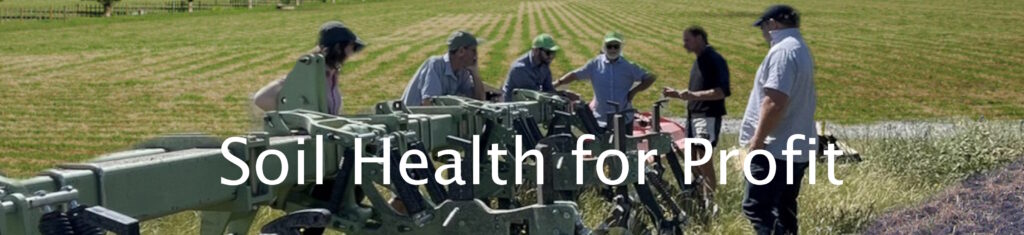
After harvest, a “sentinel” cover crop is established, once the cover crop is established, narrow planting strips are selectively sprayed to plant the commercial crop into. The cover crop is left in place during early commercial crop establishment; the cover crop is desiccated two to three weeks later to avoid it outcompeting the commercial crop.
This presentation shares findings from a three‑year programme (2023–2025) testing crop stacking in a commercial broccolini system in Pukekohe. Across multiple seasons, crop stacking consistently reduced the risk of nitrogen loss, by up to 31%, and resulted in lower levels of mineral nitrogen moving deep into the soil profile. Trials also showed strong early crop establishment, increased yields, and noticeably less soil erosion. Together, the results show that crop stacking can deliver real environmental gains with the potential to increase productivity.