Skip to content
Menu
LandWISE – Promoting sustainable land management
  • Welcome
    • About
    • LandWISE Committee
    • Contact
  • Projects
    • Carbon Positive
      • Carbon Positive Reports
    • Nitrachek: Farmer Friendly Nitrate Testing
    • SLAKES: a cost-effective measure of soil structural stability
    • Soil Repair after Cyclone Gabrielle
    • Vegetable Production Nitrogen Management
    • Best Management of Nitrates in Process Cropping
    • Future Proofing Vegetable Production
    • Herbicide Resistance Management
  • Events
    • Cyclone Gabrielle Research Symposium
      • Historical North Island Flood Events
      • An extraordinary storm: the severity of Cyclone Gabrielle’s weather in Hawke’s Bay
      • The Science Response in the Year of Storms; A Gisborne/Tairawhiti perspective
      • Insights into causes of landslides triggered by Cyclone Gabrielle
      • The effects of Cyclone Gabrielle on fruit tree health in Hawke’s Bay
      • Impact of Cyclone Gabrielle on stonefruit orchards in Hawke’s Bay: a case study
      • Charting the Course following Cyclone Gabrielle
      • Baseline sediment sampling in Tairawhiti and Hawke’s Bay
      • Impacts on cropping businesses
      • Understanding the flooding caused by Cyclone Gabrielle
      • Building Flood Damage from Ex-Tropical Cyclone Gabrielle
      • Food safety and critical incidents: A unified approach for safer produce
      • Silt nutritional status and contamination concerns
      • Lessons from the horticultural sector response to Cyclone Gabrielle
      • Ecological impacts of Cyclone Gabrielle
      • Cyclone Gabrielle and Poplar Windthrow in Northland
      • Seed Size and Establishment Method Determine Crop Recovery Following Cyclone-Induced Silt Deposition
      • Returning to (some) baseline sampling sites to assess cropping soil recovery
      • Recovery of annual cropping ground – Grower learnings
      • Recovery of Annual Cropping over 2 Years
      • Technical and extension learnings from Cyclone Gabrielle
    • Getting to Carbon Positive!
      • Getting to Carbon Positive – Presenters
    • Rebuilding Our Soils
      • Rebuilding Our Soils – Presenters
    • Events Archive
  • Tools
    • Nitrachek Calculator
    • Carbon Calculator
    • Nutrient Budget
    • Irrigation Evaluation – IRRIG8
      • IRRIG8: Centre Pivot
        • IRRIG8-online: Centre Pivot User Guide
      • IRRIG8: Linear Move
      • IRRIG8: Travelling Irrigator
        • IRRIG8-online: Travelling Irrigation User Guide
      • IRRIG8: Multiple sprayline calculator
      • IRRIG8: Solid set irrigation
      • IRRIG8: Pressure and energy
        • Pressure and Energy Calculator: User Guide
    • ANOVA Tool for statistical significance
    • Fertspread Spreader Calibration
    • Fertspread Placement Calibration
    • Soil Infiltration Calculator
      • Disc Permeameter User Guide
      • Disc Permeameter Calculator: Frequently Asked Questions
  • Blog
  • Sign Up
  • Login
  • Members Only
    • Online Learning
  • Account
  • Site Search
LandWISE – Promoting sustainable land management

LandWISE Conference Summary – Day 1

Posted on June 24, 2025
Day 1 begins at LandWISE 2025

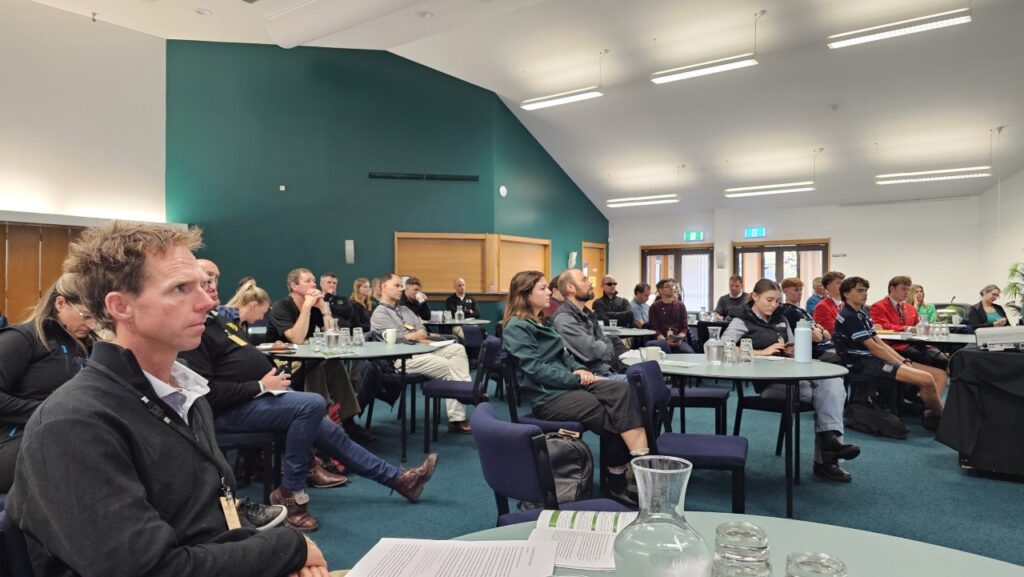
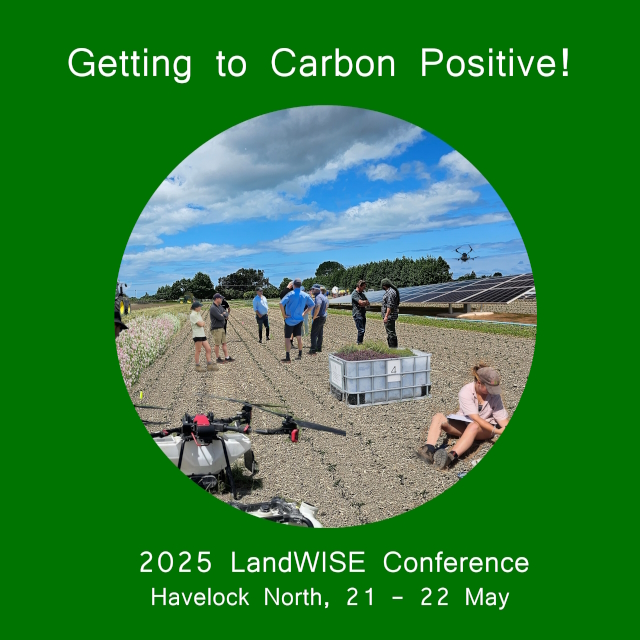
The LandWISE Conference, Getting to Carbon Positive, attracted more than 80 people who heard speakers on a wide range of topics related to ongoing sustainability.

Day 1 discussed ways to assess our emissions levels, how we can reduce our environmental impact through diverse farming techniques including regenerative practices and soil health, and new research around pest management.
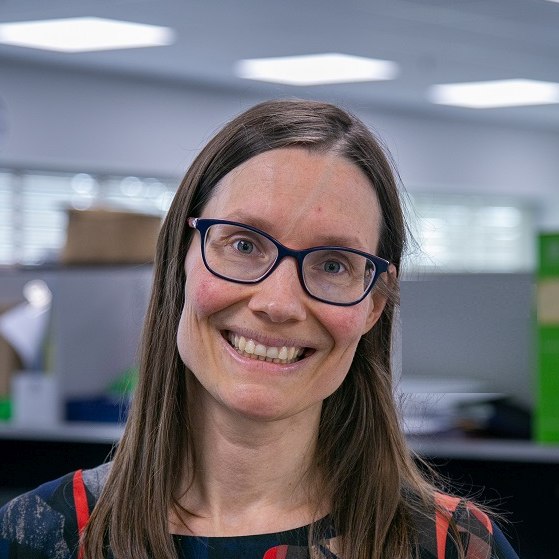
Pii-Tuulia Nikula opened with an introduction to emissions accounting, which was followed by Uttam Floray outlining how Toitu certifies emissions. Ron McFetridge from WaterForce said he was asked by key clients about WaterForce’s emissions, which set them on a journey to reduce their emissions and environmental impact. Olivia’s take:

“I enjoyed listening to Ron discuss how WaterForce has been installing solar panels on their offices, putting in electric vehicle chargers, and deploying electric and hybrid vehicles for their staff. Given that they travel 4.5 million kilometres annually as a company, WaterForce saw electrification as an effective way to reduce emissions and environmental impact. By doing this, they are setting a precedent for other companies.”
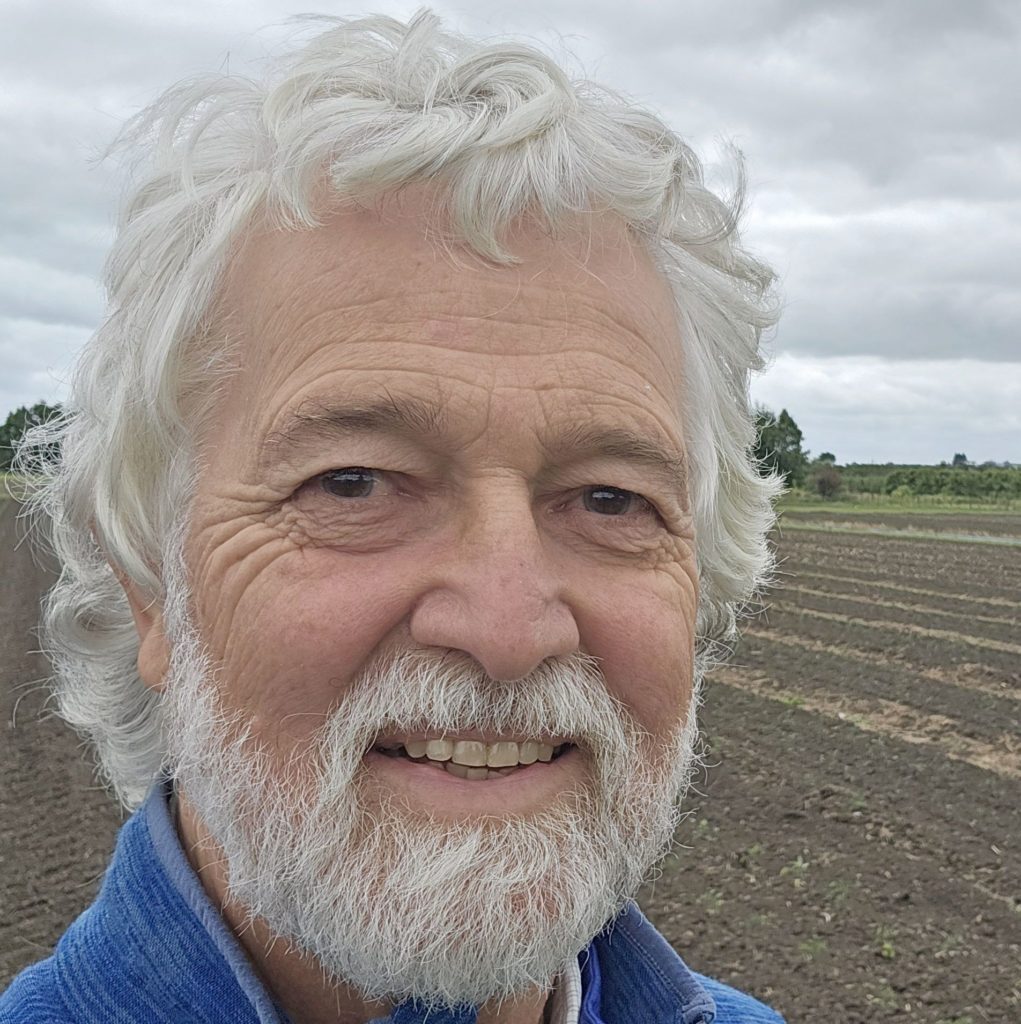

Dan Bloomer presented results from the Carbon Positive trial including the 2024-2025 cropping programme and a Carbon balance for each of the treatments, which showed nitrogen fertilisers and diesel were the largest CO2-e contributors. The introduction of livestock added significantly to overall emissions, even if on farm for a relatively short time. Matt Norris presented results from regenerative cropping trials, including use of composts, at LeaderBrand in Gisborne, Angus McKenzie described how Wairuna Farm is applying the principles in Canterbury, the various things he had been trialing on his farm, and how they created a wetland to treat drainage water. Sam McNally addressed ways to increase soil carbon and explained fundamental changes in our understanding of soil carbon sequestration and carbon pathways. Photosynthesis feeds the whole system!    
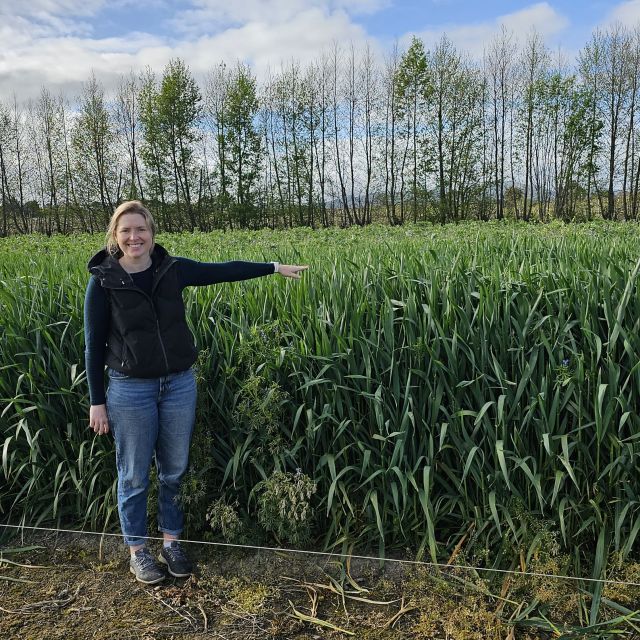
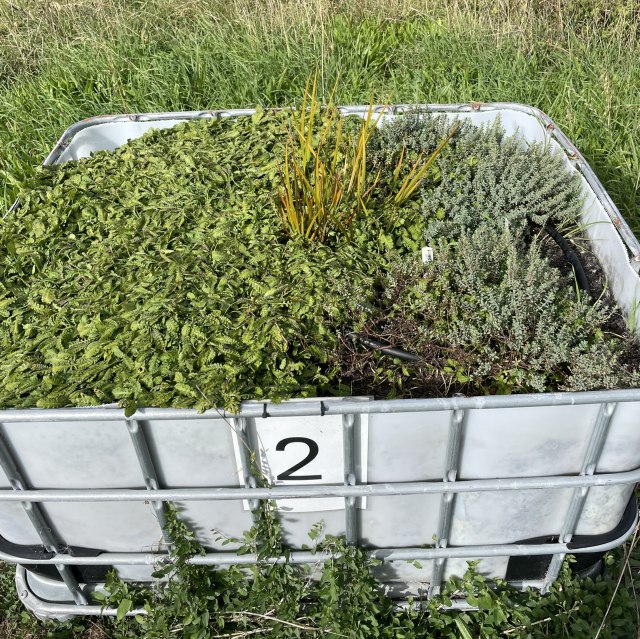
Three speakers discussed beneficial non-crop plants. Dan talked about the lessons from growing multispecies cover crop mixes in the Carbon Positive trial. Charles Merfield provided information about cover crops for regenerative cropping and the need to ask what functions you wanted cover crops to perform. Jeff Smith presented lessons from biostrip and insectaries research through the A Lighter Touch project.


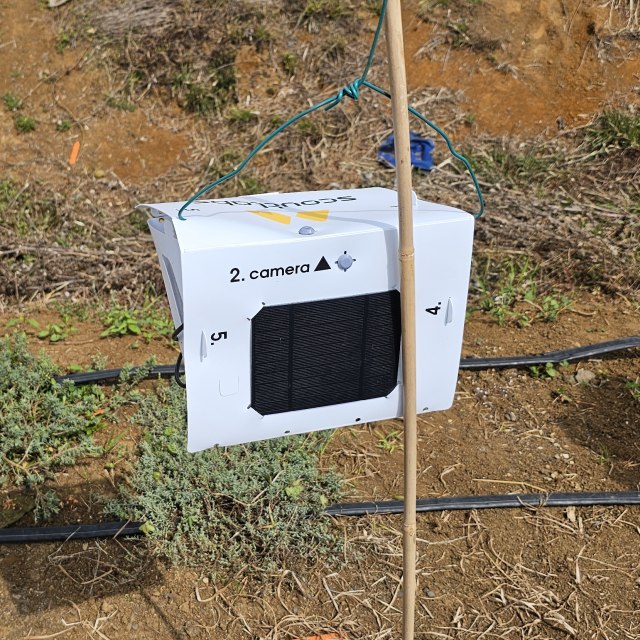
Day 1 was wrapped up with Asha Chhagan talking about new technologies to assist pest and disease management, and Bethan Shaw reporting on work done looking at earwigs recolonising orchard sites that had been devastated by Cyclone Gabrielle. Daniel Sutton and Chris Lambert reporting on trials with a camera equipped AI enabled pest trap.

Olivia’s take:

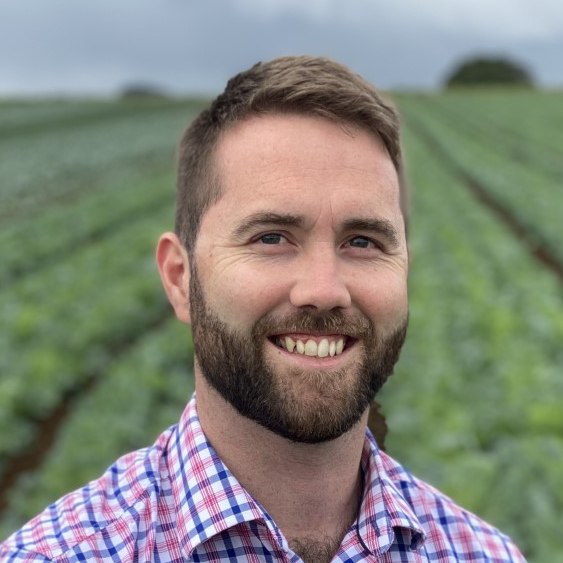
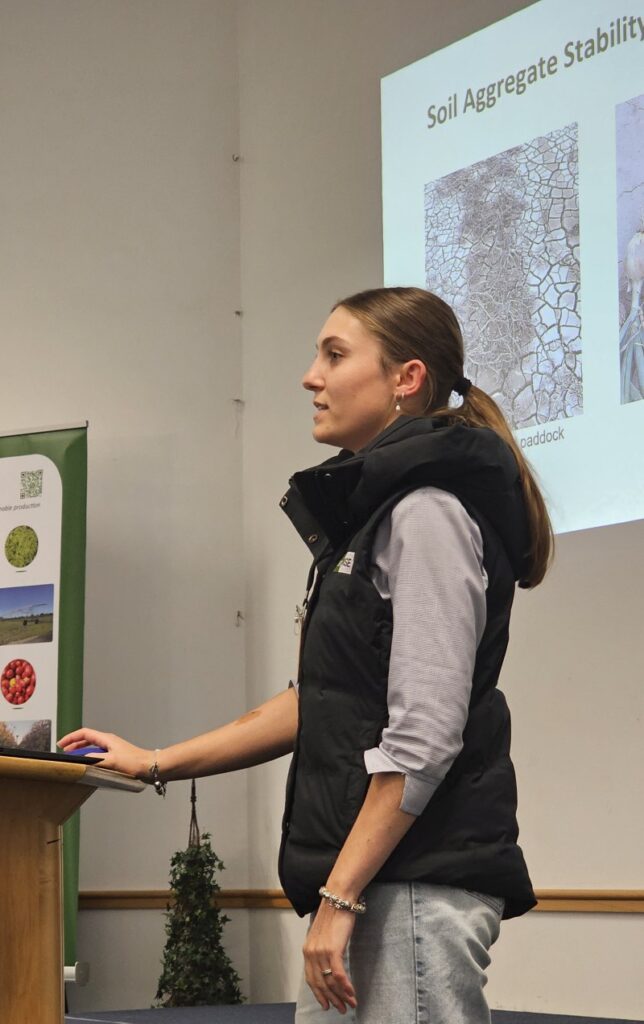
“The conference was a good opportunity for me to do my first conference presentation! I talked about the Slakes app and things we have learned from using it to assess soil aggregate strength, and I spoke about the Nitrachek device project that I have been running as a part of my Te Ahikawariki/VICE internship.”
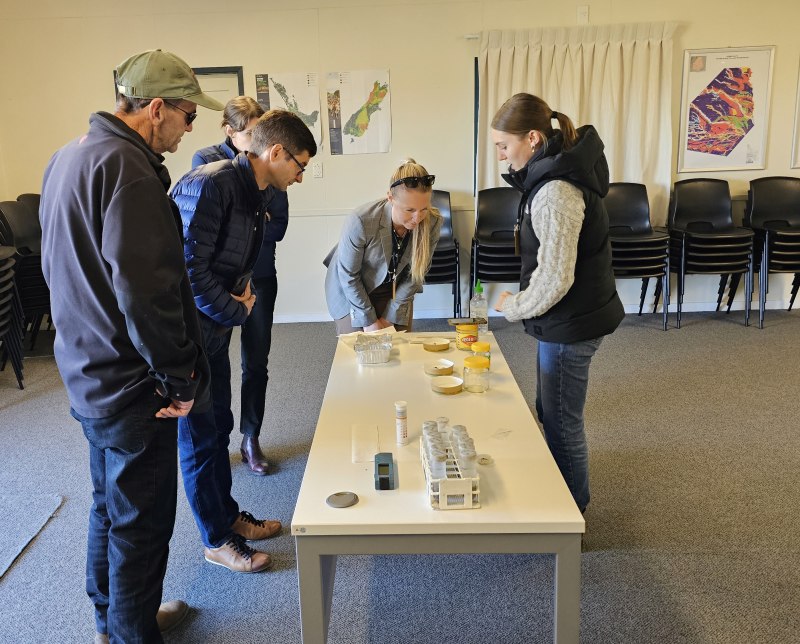
Many thanks to all our sponsors, speakers and delegates!
  • Cyclone Gabrielle Research Symposium
  • Biodiversity Strips Update
  • Carbon Positive: Butternuts
  • Carbon Positive: Butternut Planting to Side Dressing
  • Nitrate Levels on the MicroFarm
  • Cyclone Gabrielle Research Symposium
  • Introducing Carys Luke, our Summer Intern
  • Soil Infiltration Calculator
  • MicroFarm Biodiversity Update
  • Irrigation System Testing
  • Carbon Positive: Butternut Planting
  • NZARM Conference 2025

RECENT POSTS

  • Cyclone Gabrielle Research Symposium
  • Biodiversity Strips Update
  • Carbon Positive: Butternuts
  • Carbon Positive: Butternut Planting to Side Dressing
  • Nitrate Levels on the MicroFarm

CATEGORIES

  • Agritech
  • Asparagus
  • Conference
  • Courses
  • Cover crops
  • Cultivation
  • Events
  • Fresh Vegetables
  • Irrigation
  • Membership
  • Nitrate
  • Nutrition
  • People
  • Permanent crops
  • Pests
  • Process Crops
  • Projects
  • Protected cropping
  • regenerative agriculture
  • Regulations
  • Research
  • soil health
  • Sustainable technology
  • Uncategorized
  • Water resources
  • Weeds
©2023 LandWISE – Promoting sustainable land management

Disclaimer: Any information on the LandWISE website or linked LandWISE resources is of a general nature only. We endeavour to provide accurate and adequate information relating to the subject matters contained in it. It has been prepared and made available to all persons and entities strictly on the basis that LandWISE, its researchers and authors are fully excluded from any liability for damages arising out of any reliance in part or in full upon any of the information for any purpose. No endorsement of named products is intended nor is any criticism of other alternative, but unnamed product.