


With funding from Te Ahikawariki, we teamed up with regional agronomists to ask a number of growers about cover cropping. We wanted to learn what the barriers were to new entrants, and what the ongoing headaches were for those who do use cover crops.
Three-quarters of the 32 growers surveyed have been using cover crops for an average of 23 years. These aren’t beginners struggling with basics—these are people who’ve figured out how to make cover crops profitable, and their insights challenge everything we think we know about adoption barriers.
We were perhaps not too surprised to find the barriers everyone assumes matter most actually don’t. Equipment access scored just 1.2 out of 4 as a barrier—the lowest of everything measured. Information gaps scored only 1.6. These experienced growers have moved way beyond those basic issues.
So what are the real barriers? Three big ones that actually matter:
1. Nitrogen Tie-Up (The Technical Killer)
Cover crops locking up nutrients when your cash crop desperately needs them. This scored 2.7 out of 4—the highest barrier measured. It’s not about getting cover crops established; it’s about managing what happens to your nitrogen afterward.
2. Weed Management Gone Wrong
Getting effective suppression without creating new problems. Too often, cover crops become part of the weed problem themselves rather than solving it.
3. Operational Flexibility (The Hidden Killer)
This one was not even in our list of questions but came through loud and clear in grower comments. As a Hawke’s Bay grower put it:
“Once land is cover cropped it ties it up for a period of time and if it’s a wet season then it reduces options and we can fall behind in our planting programme.”
It’s about losing the ability to adapt when weather doesn’t cooperate. That’s a fundamental farming system challenge, not a technical problem you can solve with research.
Why Three-Quarters of These Growers Persist
Despite the barriers, 75% of surveyed growers use cover crops. What’s driving them?
Soil structure improvement absolutely dominates. It scored 3.4 out of 4, with 87% rating it as highly important. Half called it “make-or-break” for their decision.
One Pukekohe grower explained: “The difference in soil workability after a few years of cover crops is dramatic—better water infiltration, easier cultivation, improved root penetration.”
Interestingly, environmental benefits come second. Biodiversity enhancement, soil moisture management, input reduction—they all scored well, but practical farming benefits drive adoption more than environmental ideals. These growers are businesspeople first.
Species That Work (And the Ones to Run From)
After 23 years of collective experience, some clear winners and losers have emerged:
The Champions:
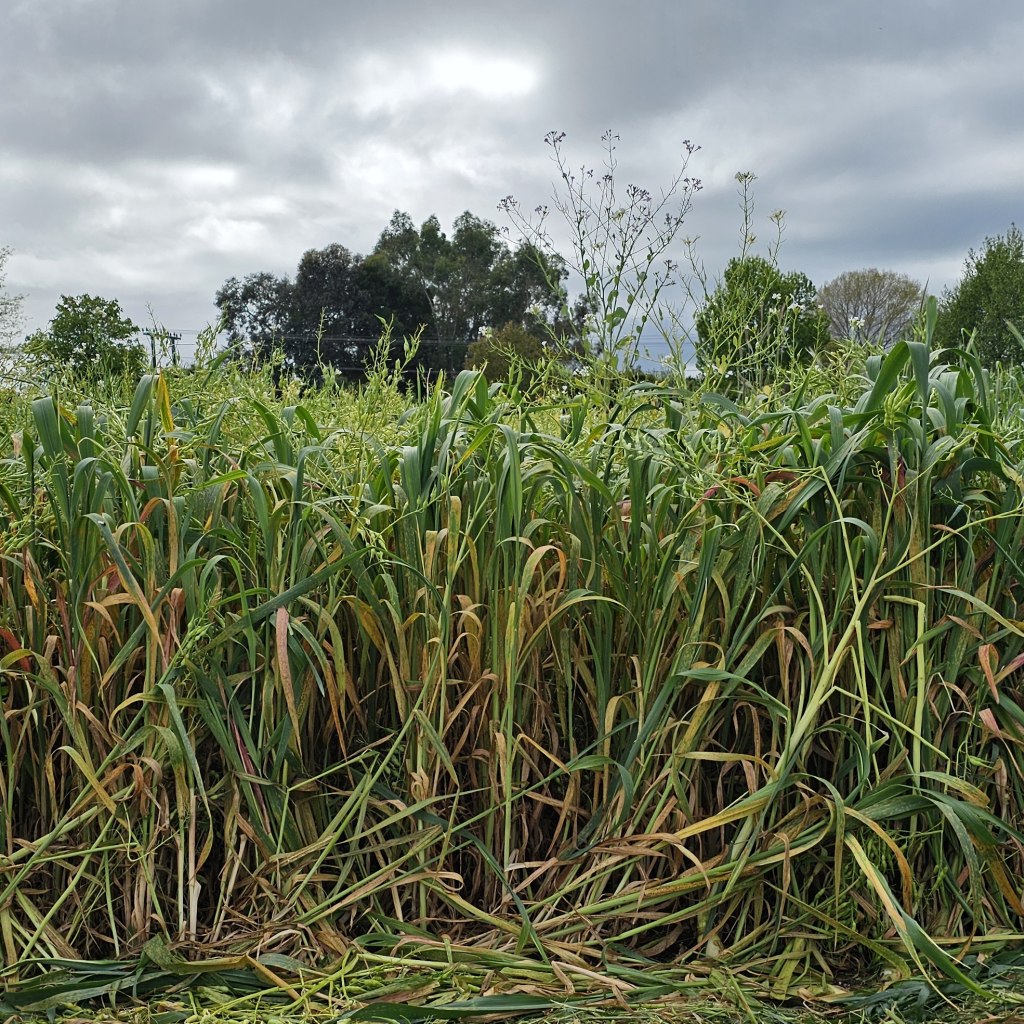
- Oats: Top the list for reliable establishment, easy termination, good biomass production
- Annual ryegrass: Consistent cover, works with livestock
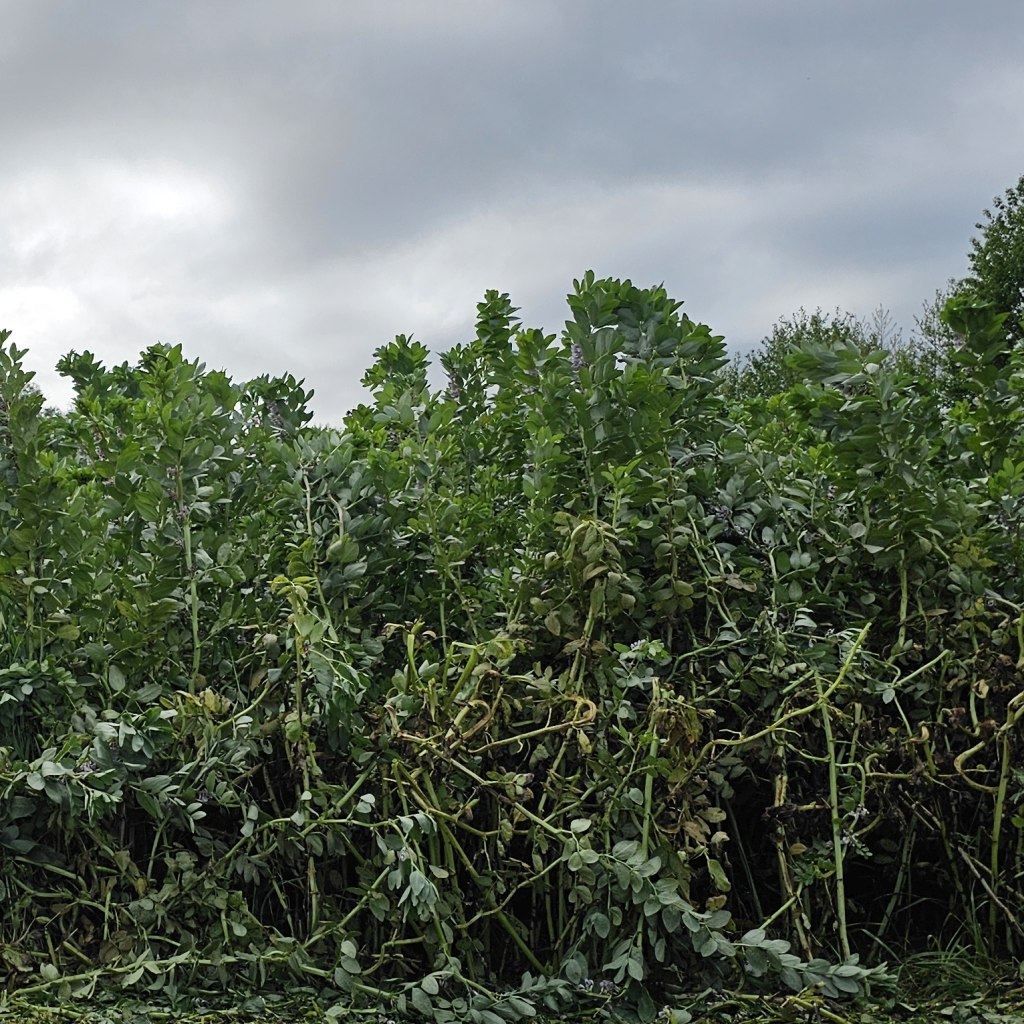
- Vetch: Nitrogen fixation benefits
The Problem Children:
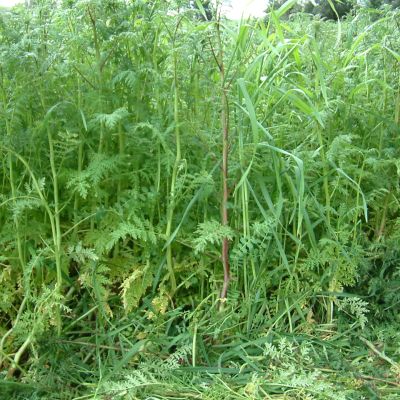
Multiple growers warned about rye—”potential to become a weed” and “difficult to remove.” Brassicas got harsh verdicts too, especially near seed crops. One grower’s blunt assessment: “Radish is a strict no no” because of contamination risks.
And those complex multi-species mixes everyone talks about? “Hard to manage and control weeds” was the verdict. The experienced growers say start simple, learn the basics, then add complexity gradually. Seed crop contamination is huge here because of our export industry. You can’t afford volunteers in the wrong places.
Land tenure creates headaches too. Landlords want to graze cover crops for income while growers want maximum biomass for soil benefits. As one frustrated grower explained:
“When cover crops are grazed we see little benefit especially over a wet period as we need more cultivation and have worse soil structure.”
These aren’t technical problems you can research your way out of—they’re structural issues that need policy solutions.
We’re Not Alone in This
The good news? Remarkably similar patterns show up internationally. US research confirms soil health is the primary driver globally—87% internationally versus our 87.5%. The same technical challenges around nitrogen management and termination timing appear everywhere. We’re not unique in our barriers, which means we can learn from solutions developed overseas.
Getting Started: Advice from the Trenches
What’s the advice for growers considering cover crops? Start simple. Pick one reliable species like oats. Begin on less critical paddocks. Most importantly, plan your termination method before you plant—that’s where many beginners fail. Expect a learning curve. One Canterbury grower with 15 years’ experience captured it perfectly:
“The first year taught me what not to do. The second year taught me what might work. By the third year, I started to see why everyone talks about soil structure benefits.”
At the bottom of this post you can download a link to a report by Charles “Merf” Merfield. We asked him to put his experience and thoughts on paper for all to see. It’s well worth your time to read. In brief, Merf says:
Simply put, cover crops are plants you grow for reasons other than selling them. Think of them as your farm’s support crew—they’re not the stars of the show, but they make everything else work better. That’s why they’re increasingly called “service crops” overseas, which honestly makes a lot more sense when you think about it. These aren’t exotic plants we’re talking about. Most cover crops use the same species you already know well—oats, ryecorn, mustards, clovers, and annual ryegrass. The difference is how and why you’re using them.
Cover crops aren’t a one-size-fits-all solution—they’re more like a Swiss Army knife with different tools for different jobs. Green manures are all about fixing nitrogen from the air using legumes. Catch crops are your nutrient insurance policy. Mulch crops suppress weeds better than most herbicides. Smother crops actually smother established problem weeds, think of them as your biological bulldozer. Then there are the conservation biocontrol crops—plants that support beneficial insects to keep pest populations in check.
The Cost Reality
Seed costs are real—they scored 2.5 out of 4 as a barrier. But the bigger challenge is demonstrating long-term value. One grower captured the economic puzzle: “How to put a value/dollar on them, especially longer term benefits.” The benefits take 2-3 years to become obvious, so you need patience and persistence.
Thanks to Daniel Sutton for initiating this research, and the regional agronomists who helped interview growers; Andrew Luxmoore in Pukekohe, Chris Lambert in Gisborne, Dan in Hawke’s Bay, Karen Coleman in Manawatu/Levin and Charles Merfield in Canterbury. And thanks, as always to the growers who gave time to share their experiences and knowledge.
Download the Full Cover Crops Survey Report
Download a supplementary report by Charles Merfield


