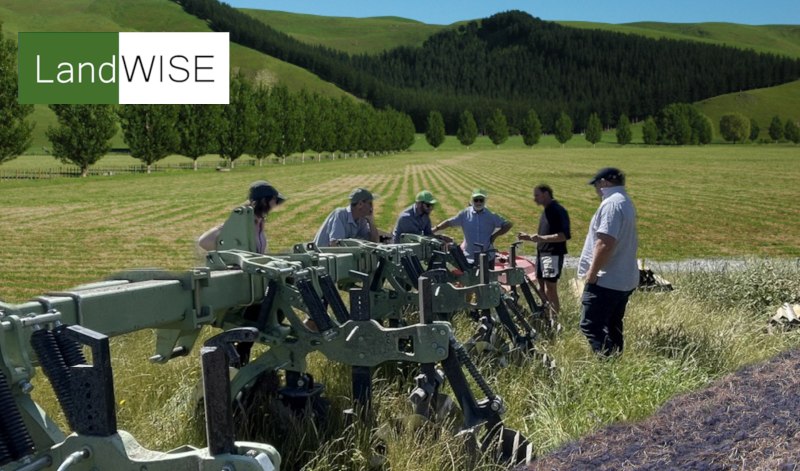
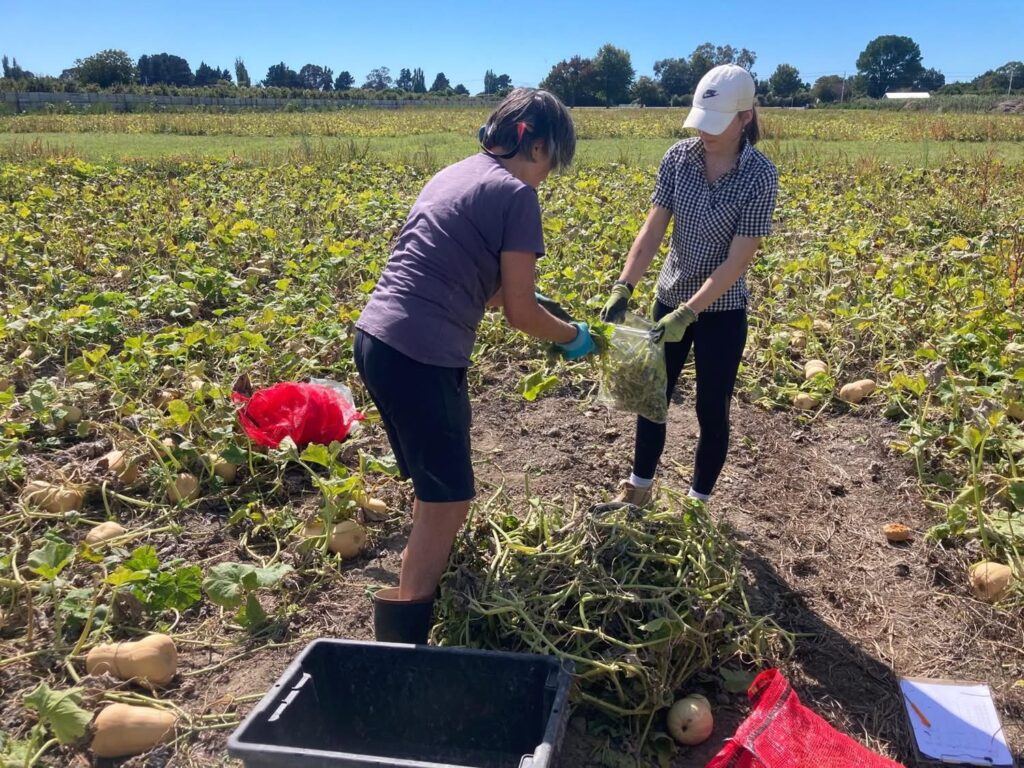
Our butternut hand harvesting to collect research data was completed on the 9th and 10th of March.
Our hand harvest samples were taken from 3 m × 2 m areas within each of the four subplots of each plot; 16 per treatment, 48 in all. All butternuts within the sample area were cut from the plant, counted, and weighed. A subsample was collected for Brix, dry matter, nitrogen, and carbon analysis. The plant residue was also weighed, and a subsample was collected for dry matter, nitrogen, and carbon analysis.
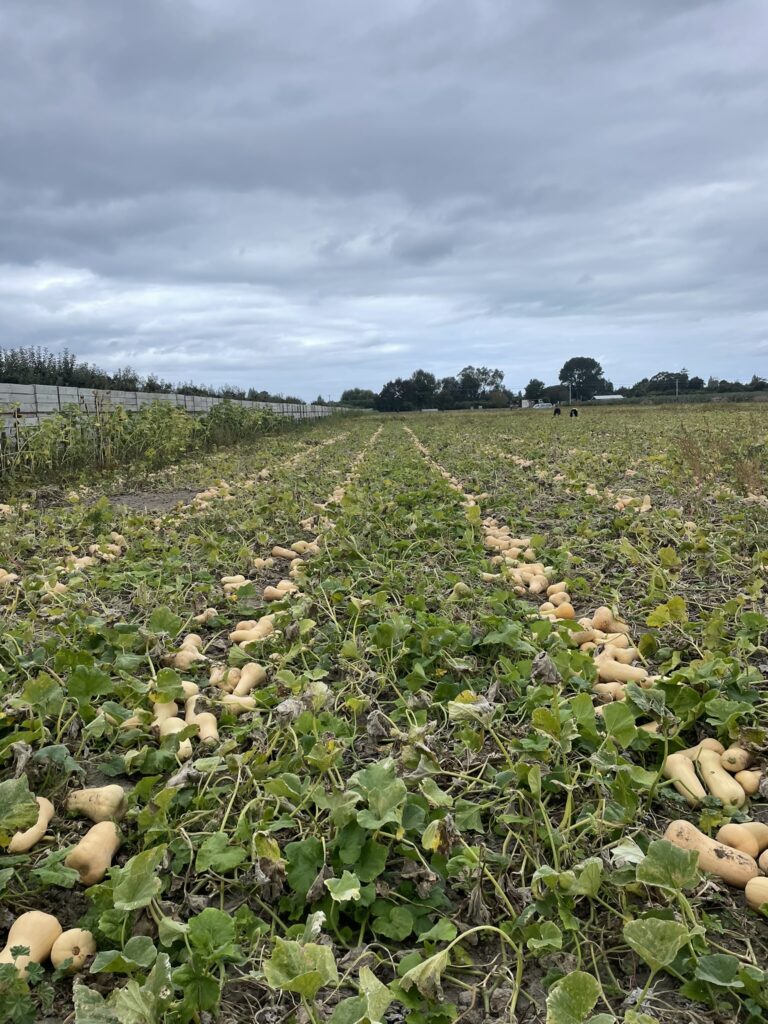
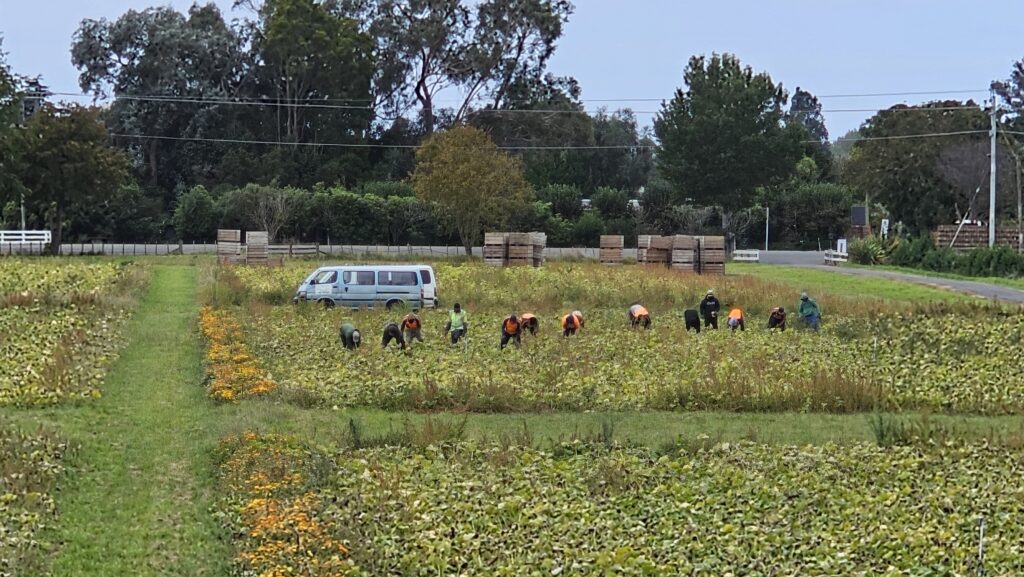
On the 10th of March, the butternuts were cut for fresh market and placed into windrows ready to be collected into bins.
The main differences between treatments were cultivation method, biological and foliar applications, and fertiliser inputs. The Hybrid and Regenerative treatments were strip-tilled, while the Conventional treatment was fully cultivated. The Regenerative treatment received the most biological and foliar applications, the Hybrid treatment received some, and the Conventional treatment received none. The Regenerative treatment also received significantly less nitrogen (18 kg N/ha) compared with the Conventional treatment (77 kg N/ha) and the Hybrid treatment (67 kg N/ha).
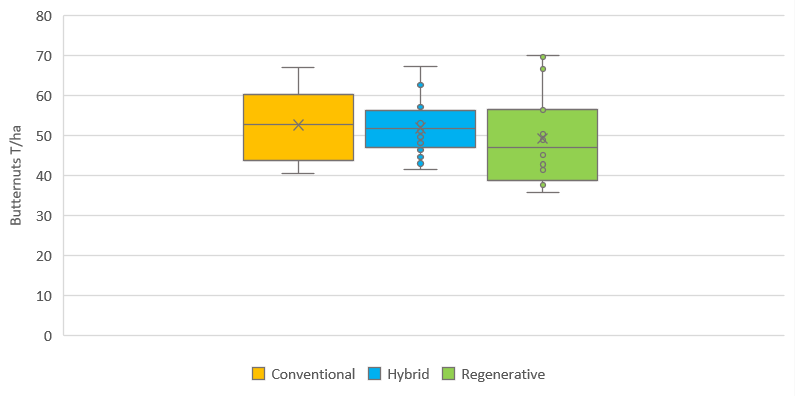
The Conventional treatment yielded 52.74 T/ha, the Hybrid treatment yielded 52.00 T/ha, and the regenerative treatment yielded 49.44 T/ha. While these yields look slightly different, there is no significant difference in yield between the treatments (P>0.05). Our highest and lowest yielding sub-plots were both in the regenerative treatment!
We will discuss these findings at the LandWISE Conference: Soil Health for Profit in May.
Conference information and registration is available on our website.