Skip to content
Menu
LandWISE – Promoting sustainable land management
  • Welcome
    • About
    • LandWISE Committee and Staff
    • Contact
  • Projects
    • Carbon Positive
      • Carbon Positive Reports
    • Nitrachek: Farmer Friendly Nitrate Testing
    • SLAKES: a cost-effective measure of soil structural stability
    • Soil Repair after Cyclone Gabrielle
    • Vegetable Production Nitrogen Management
    • Best Management of Nitrates in Process Cropping
    • Future Proofing Vegetable Production
    • Herbicide Resistance Management
  • Events
    • Soil Health for Profit
      • Soil Health for Profit Presenters
        • What makes a farm “regenerative”?
        • Soil and Plant Nutrition at Harvest Moon
        • Regenerative agriculture principles in Kiwifruit production
        • Carbon Positive: Applying Regenerative Principles to Intensive Process Vegetable Production 2025-2026
        • Carbon Positive: making sense of carbon data
        • A Career in Cropping ? building soil
        • Cyclone Gabrielle Research Symposium: Lessons for the management of highly productive land
        • Cyclone Recovery: Turning sediment to soil
        • Cascading impacts of Cyclone Gabrielle ? and why soil health is business resilience
        • Lessons Learned from 20 Years of Cover Crop and Soil Health Research and Extension
        • Technologies at Harvest Moon
        • Do all nitrogenamendmentshave the same footprint?
        • Answers Under Foot: Should Soil Health Be Our #1 Sustainability Goal?
        • Going way back: LandWISE?s History of Minimum Tillage
        • Crop Stacking: The best practice of tomorrow
        • Long-term evaluation of tillage systems for maize silage in New Zealand
        • Minimising Tillage at Ludlow Farms
        • Long-Term Maize Establishment andCover Crop Research in the Waikato
        • Minimum tillage discussion panel
    • Cyclone Gabrielle Research Symposium
    • Getting to Carbon Positive!
      • Getting to Carbon Positive – Presenters
    • Rebuilding Our Soils
      • Rebuilding Our Soils – Presenters
    • Events Archive
  • Tools
    • Fertiliser Application Equipment Calibration
      • Fertspread Spreader Calibration
      • Fertspread Placement Calibration
    • Nitrachek Calculator
    • Irrigation Evaluation – IRRIG8
      • IRRIG8: Centre Pivot Calibration
      • IRRIG8: Centre Pivot Evaluation
      • IRRIG8: Linear Move Calibration
      • IRRIG8: Linear Move Evaluation
      • IRRIG8: Solid Set Calibration
      • IRRIG8: Solid set irrigation evaluation
      • IRRIG8: Travelling Irrigator Calibration
      • IRRIG8: Travelling Irrigation Evaluation
      • IRRIG8: Sprayline calibration
      • IRRIG8: Sprayline Evaluation
      • IRRIG8: Drip Micro Calibration
      • IRRIG8: Drip Micro Evaluation
      • IRRIG8: Pressure and energy
    • Soil Infiltration Calculator
      • Disc Permeameter User Guide
      • Disc Permeameter Calculator: Frequently Asked Questions
    • Carbon Calculator
    • ANOVA Tool for statistical significance
  • Blog
  • Sign Up
  • Login
  • Members Only
    • Online Learning
  • Account
  • Site Search
LandWISE – Promoting sustainable land management

Soil Recovery After Cyclone Gabrielle “Building Back Better”

Posted on March 27, 2024

Baseline Sampling Project

It has been over a year since Cyclone Gabrielle caused devastation to many parts of the North Island, however the impact of the flood is still being felt by many, as people rebuild homes and businesses.

As the water subsided, a group of us began a baseline study, sampling soil and sediment across Hawke’s Bay, Tairawhiti, and Northland, aiming to build on studies completed after previous flood events such as the 2004 Southern North Island storm, which focused on returning to pastoral production. The focus after Cyclone Gabrielle, and of the baseline sampling project, was to better understand sediment characteristics deposited across the landscape, capture information that could help growers make decisions, and help in the recovery of highly productive land and elite, versatile soils, which grow a range of high value fruit, vegetable and arable crops. This LandWISE project was funded by the Ministry for Primary Industries, and work was completed alongside a large group of organisations including AgResearch, Massey University, Hawke’s Bay Regional Council, Gisborne District Council, Plant and Food Research, Vegetable Research & Innovation Board, and Vegetables NZ.
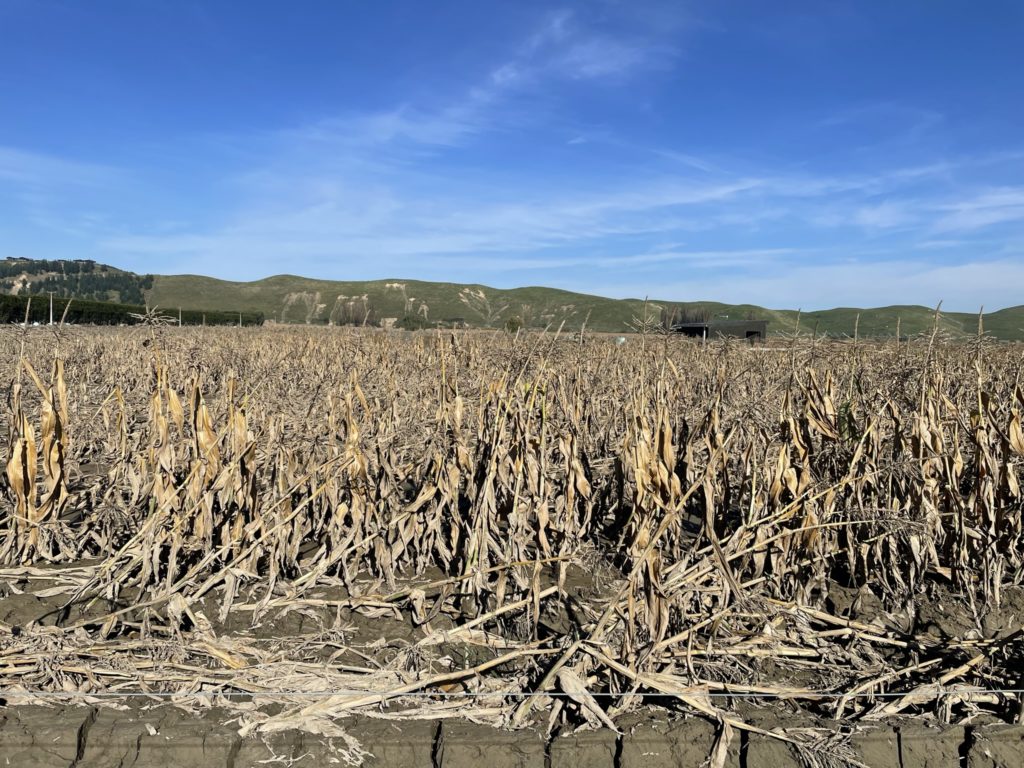
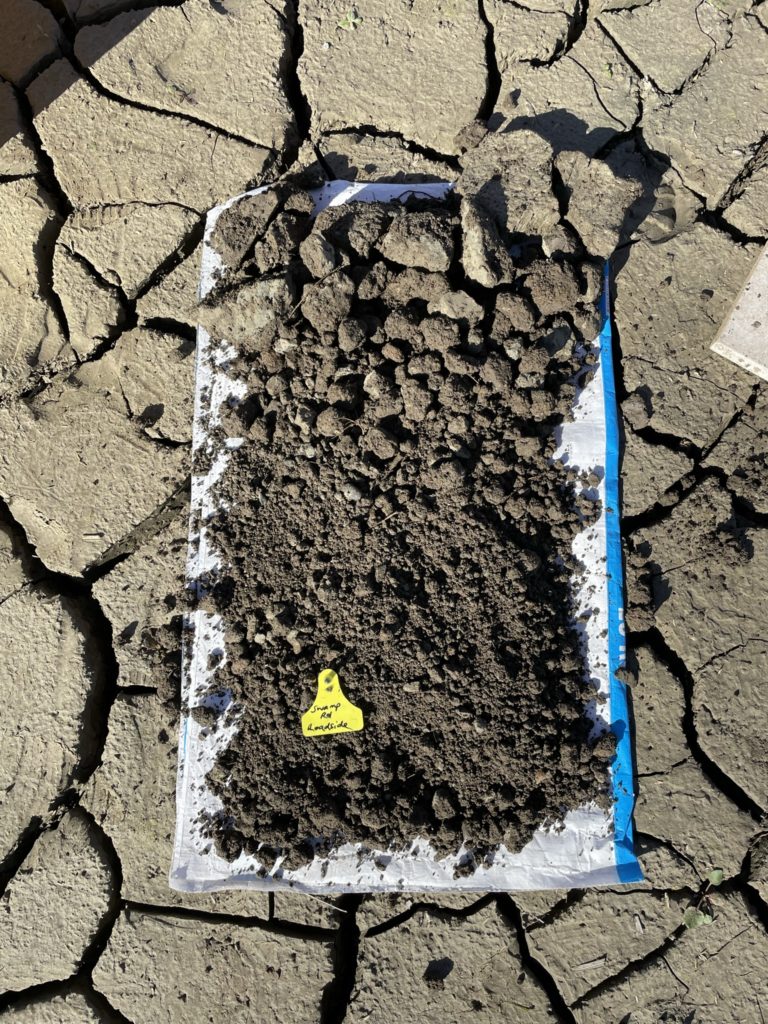
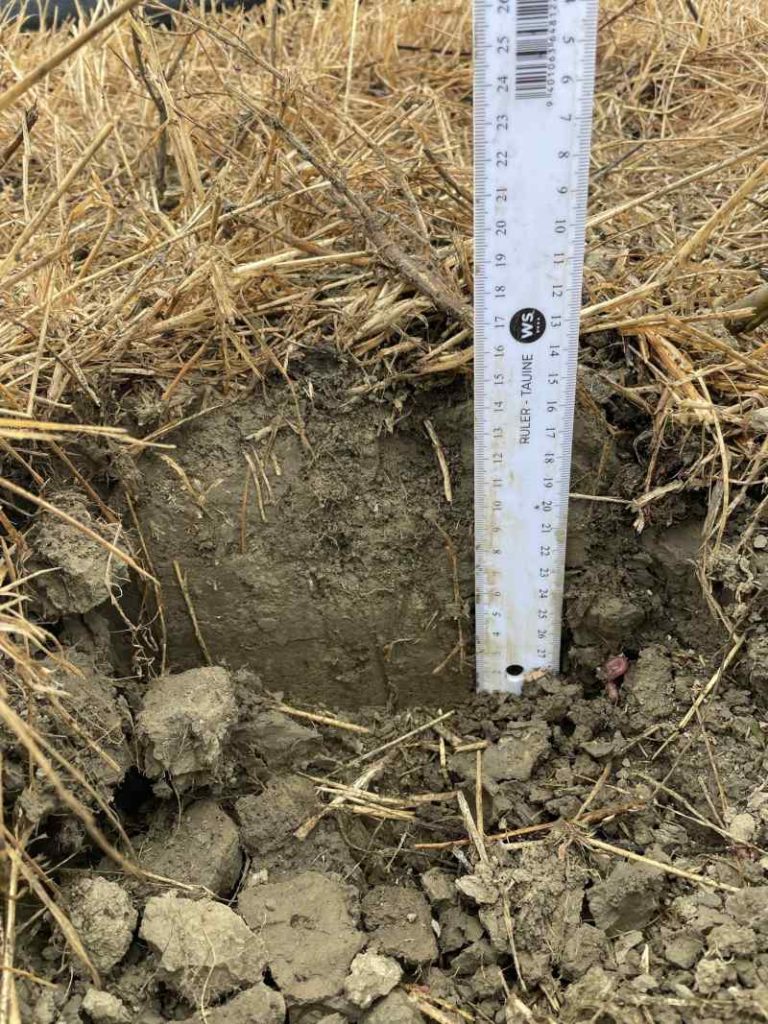
As part of the baseline sampling project 155 samples were collected from 116 sites. Over 70 farmers and growers engaged with the project. Data was collected along a 50 m transect, with 3 sampling points along the transect. Data collected included:

  • Sediment Depth
  • Soil nutrient analysis (fertility)
  • Visual Soil Assessment (VSA)
  • Bulk Density
  • Sediment Texture
  • Earthworm abundance and species
  • Contaminants (select few sites)

Results from the baseline sampling are available in the full report, available on the LandWISE website.

Repeat Sampling

With support from MPI and the Vegetable Research and Innovation Board, we have been able to develop a study to revisit and resample a select few sites around Hawke’s Bay. The aim of this study is to understand the impact of sediment deposition and different management decisions on the soil, and impact on crop production the following season.

These sites have been paired by location, sediment texture and sediment depth, but have been managed differently (e.g. sediment incorporated vs sediment left on the surface). 10 sites were revisited in the spring, 6-months after the flood, with soil or sediment analysis completed in the same way as the initial baseline testing. This autumn, 12 months after the cyclone, we are revisiting these 10 sites and six others. Eight of the selected sites have been planted in vegetables, and crop yield and quality data are being collected in addition to the soil measurements.
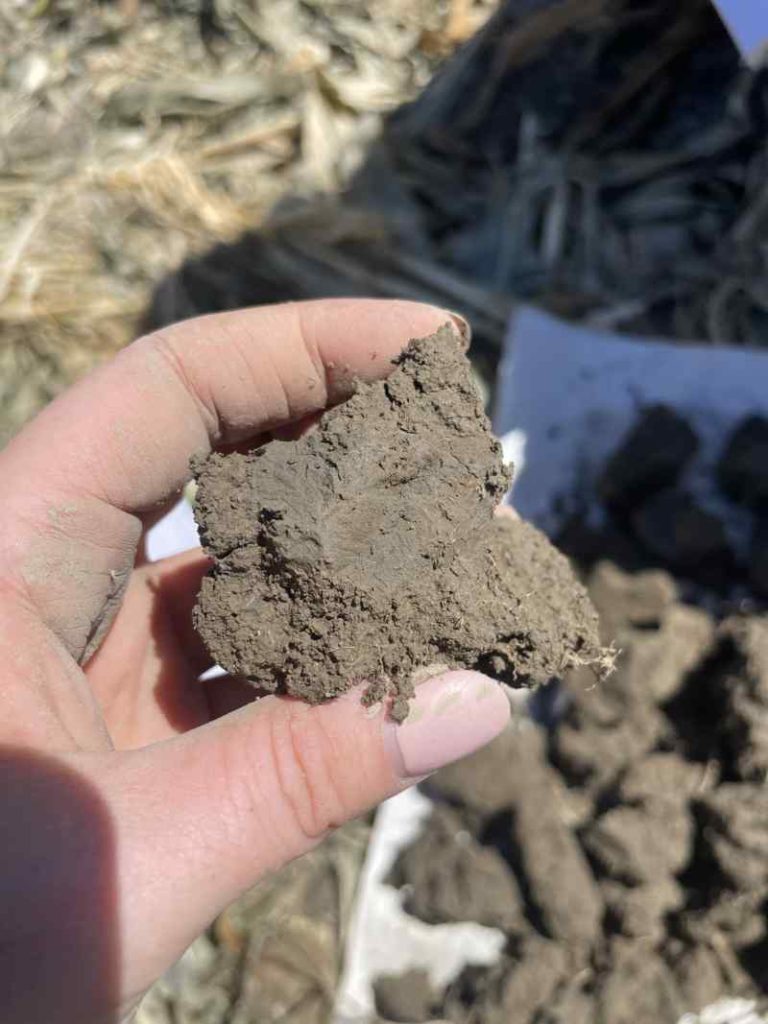
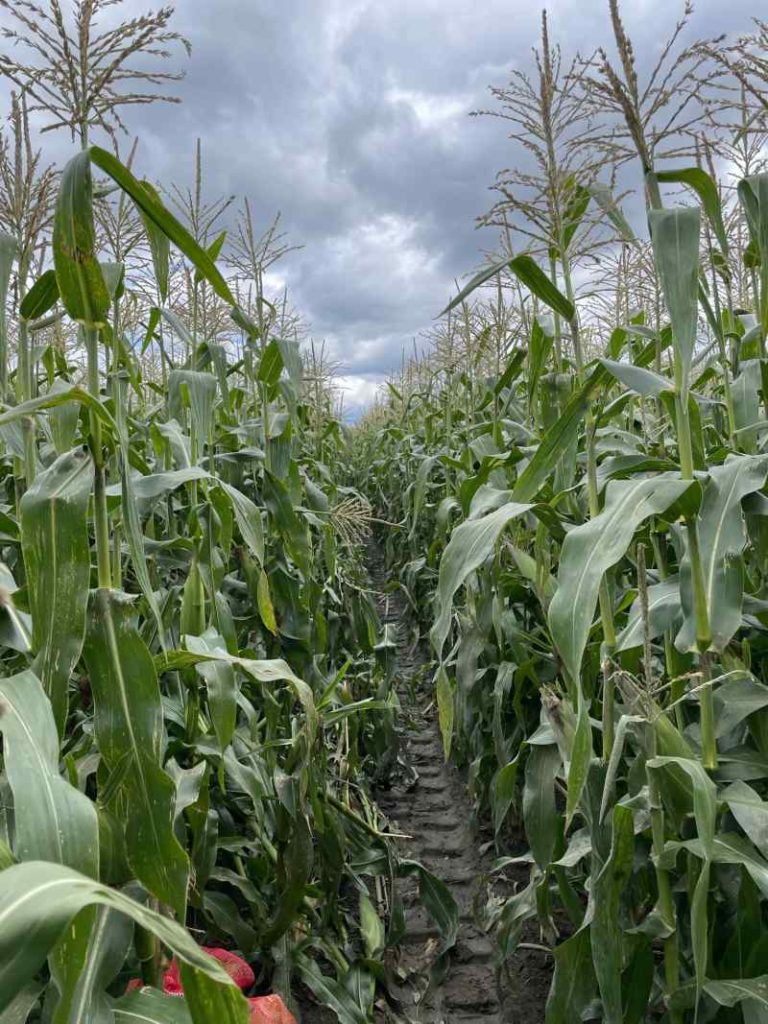
We have revisited nine sites so far this autumn. Hand harvests were completed in two blocks in sweetcorn and one of tomatoes. The remaining sites were planted in grass. We will report on this work at the LandWISE Conference in May.

Related

  • Electrify Hawke’s Bay EXPO
  • Carbon Positive Update
  • 2026 Winter Cover Crops
  • 2026 – Food Quality Maize
  • Soil Health for Profit – James Hunter
  • Soil Health for Profit – Charlie White
  • Soil Health for Profit – Josh Wing
  • Soil Health for Profit – Pranoy Pal
  • Soil Health for Profit – Olivia Webster
  • Soil Health for Profit – Dan Bloomer
  • Soil Health for Profit – John Evans
  • Soil Health for Profit – Bill Ritchie

RECENT POSTS

  • Electrify Hawke’s Bay EXPO
  • Carbon Positive Update
  • 2026 Winter Cover Crops
  • 2026 – Food Quality Maize
  • Soil Health for Profit – James Hunter

CATEGORIES

  • Agritech
  • Arable crops
  • Asparagus
  • Conference
  • Courses
  • Cover crops
  • Crop protection
  • Cultivation
  • Events
  • Fresh Vegetables
  • Irrigation
  • Membership
  • Nitrate
  • Nutrition
  • People
  • Permanent crops
  • Pests
  • Process Crops
  • Projects
  • Protected cropping
  • regenerative agriculture
  • Regulations
  • Research
  • soil health
  • Sustainable technology
  • Uncategorized
  • Water resources
  • Weeds
©2023 LandWISE – Promoting sustainable land management

Disclaimer: Any information on the LandWISE website or linked LandWISE resources is of a general nature only. We endeavour to provide accurate and adequate information relating to the subject matters contained in it. It has been prepared and made available to all persons and entities strictly on the basis that LandWISE, its researchers and authors are fully excluded from any liability for damages arising out of any reliance in part or in full upon any of the information for any purpose. No endorsement of named products is intended nor is any criticism of other alternative, but unnamed product.