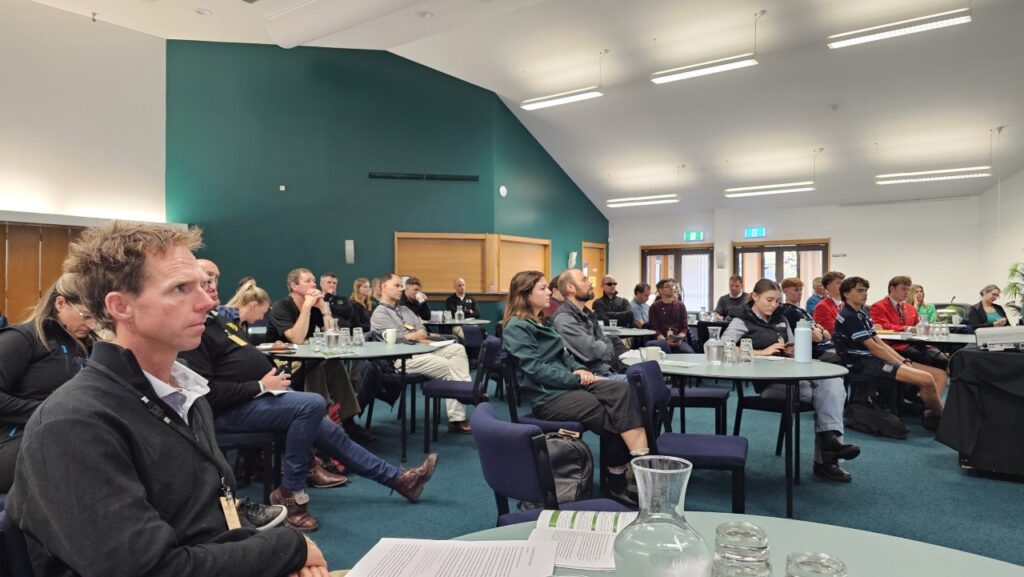
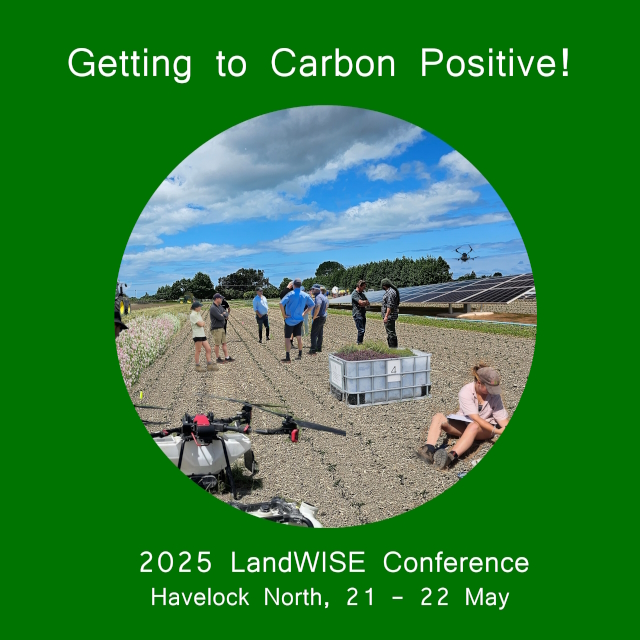
The LandWISE Conference, Getting to Carbon Positive, attracted more than 80 people who heard speakers on a wide range of topics related to ongoing sustainability.
Day 1 discussed ways to assess our emissions levels, how we can reduce our environmental impact through diverse farming techniques including regenerative practices and soil health, and new research around pest management.
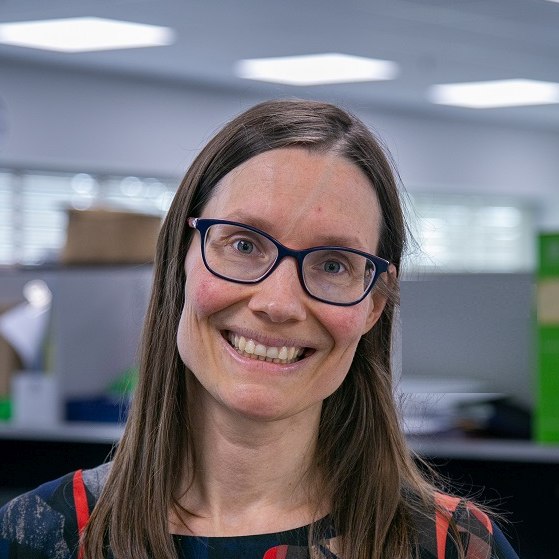
Pii-Tuulia Nikula opened with an introduction to emissions accounting, which was followed by Uttam Floray outlining how Toitu certifies emissions. Ron McFetridge from WaterForce said he was asked by key clients about WaterForce’s emissions, which set them on a journey to reduce their emissions and environmental impact. Olivia’s take:
“I enjoyed listening to Ron discuss how WaterForce has been installing solar panels on their offices, putting in electric vehicle chargers, and deploying electric and hybrid vehicles for their staff. Given that they travel 4.5 million kilometres annually as a company, WaterForce saw electrification as an effective way to reduce emissions and environmental impact. By doing this, they are setting a precedent for other companies.”
Dan Bloomer presented results from the Carbon Positive trial including the 2024-2025 cropping programme and a Carbon balance for each of the treatments, which showed nitrogen fertilisers and diesel were the largest CO2-e contributors. The introduction of livestock added significantly to overall emissions, even if on farm for a relatively short time. Matt Norris presented results from regenerative cropping trials, including use of composts, at LeaderBrand in Gisborne, Angus McKenzie described how Wairuna Farm is applying the principles in Canterbury, the various things he had been trialing on his farm, and how they created a wetland to treat drainage water. Sam McNally addressed ways to increase soil carbon and explained fundamental changes in our understanding of soil carbon sequestration and carbon pathways. Photosynthesis feeds the whole system!
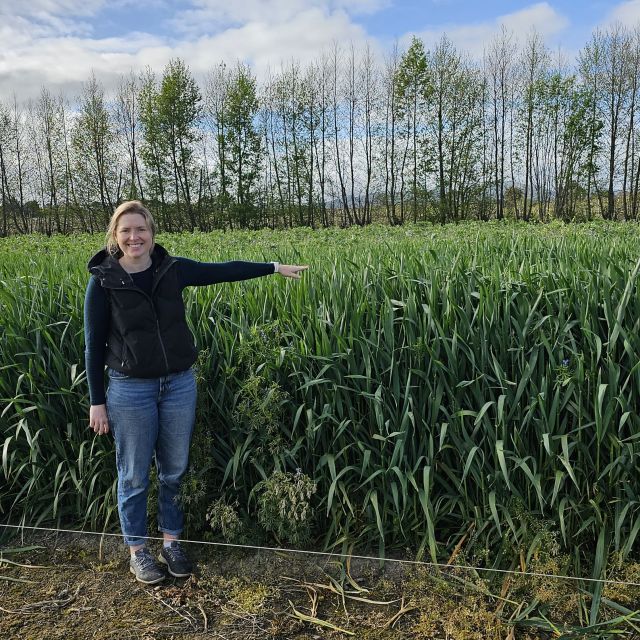
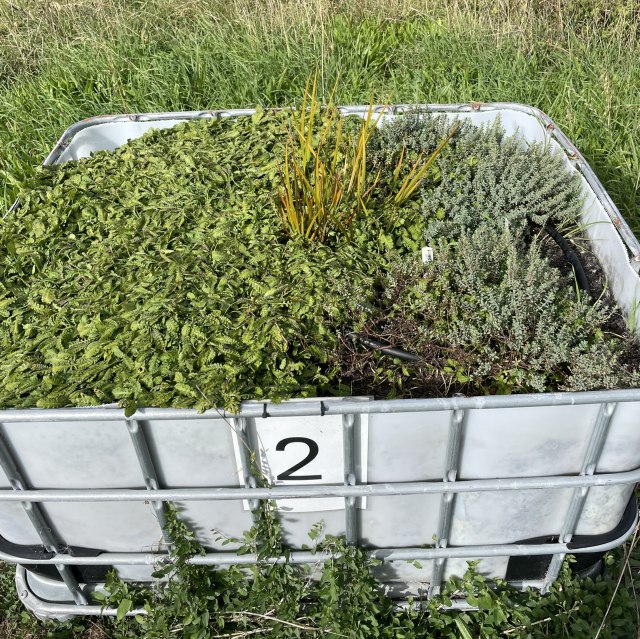
Three speakers discussed beneficial non-crop plants. Dan talked about the lessons from growing multispecies cover crop mixes in the Carbon Positive trial. Charles Merfield provided information about cover crops for regenerative cropping and the need to ask what functions you wanted cover crops to perform. Jeff Smith presented lessons from biostrip and insectaries research through the A Lighter Touch project.
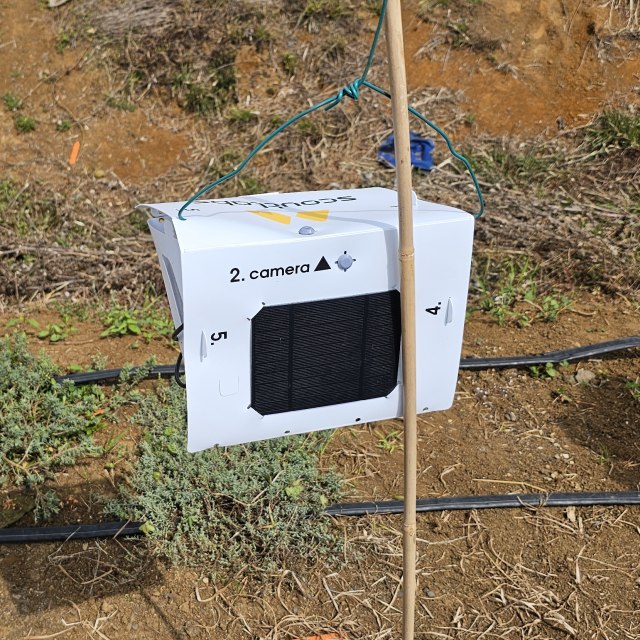
Day 1 was wrapped up with Asha Chhagan talking about new technologies to assist pest and disease management, and Bethan Shaw reporting on work done looking at earwigs recolonising orchard sites that had been devastated by Cyclone Gabrielle. Daniel Sutton and Chris Lambert reporting on trials with a camera equipped AI enabled pest trap.
Olivia’s take:
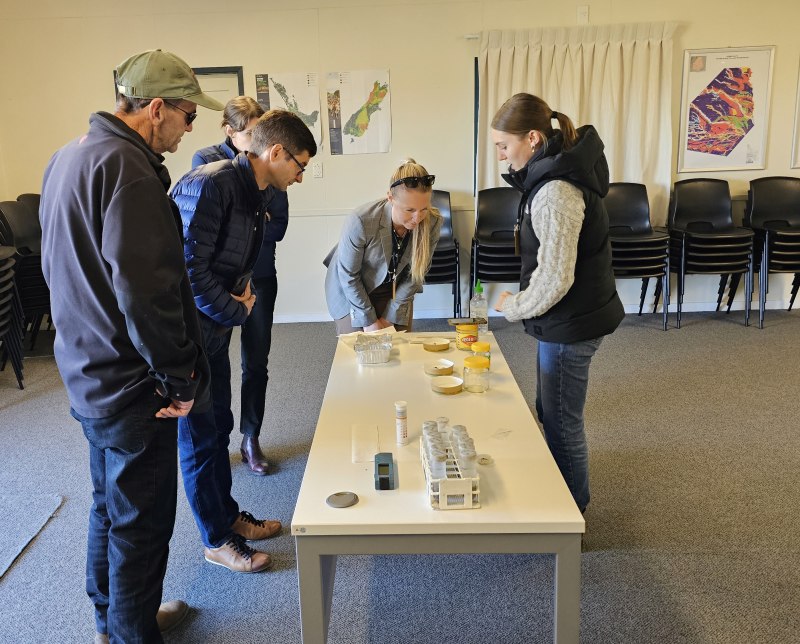
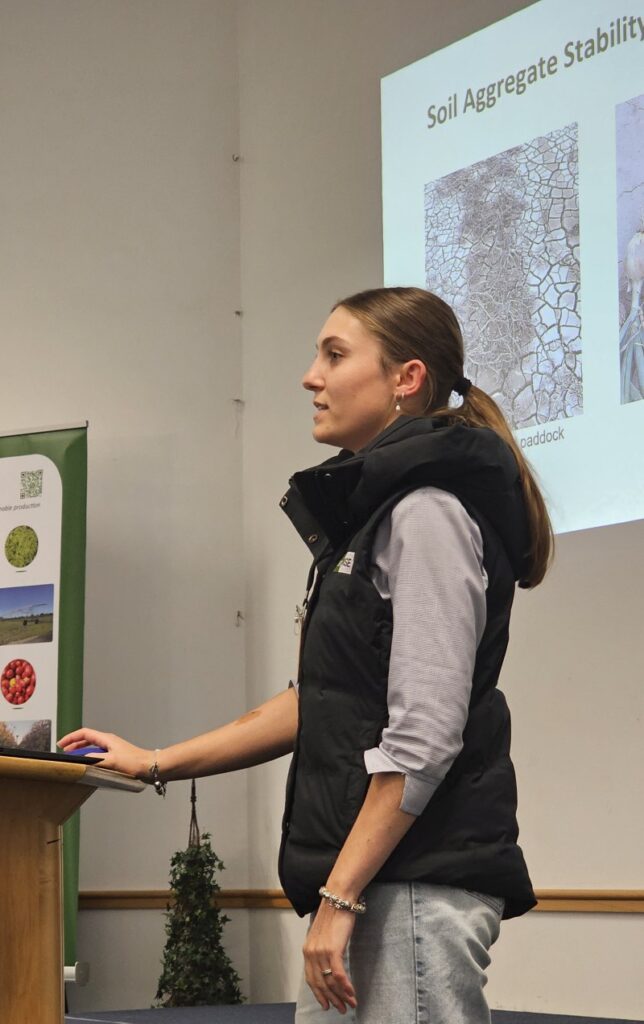
“The conference was a good opportunity for me to do my first conference presentation! I talked about the Slakes app and things we have learned from using it to assess soil aggregate strength, and I spoke about the Nitrachek device project that I have been running as a part of my Te Ahikawariki/VICE internship.”
Many thanks to all our sponsors, speakers and delegates!