We are delighted to present the presenters of LandWISE 2026 – Soil Health for Profit! With decades of experience across sectors and disciplines and a comprehensive conference programme, they helped send delegates home with their heads full of ideas and a desire to review and implement new practices.
Day 1
Conference Opening Speaker
James Hunter
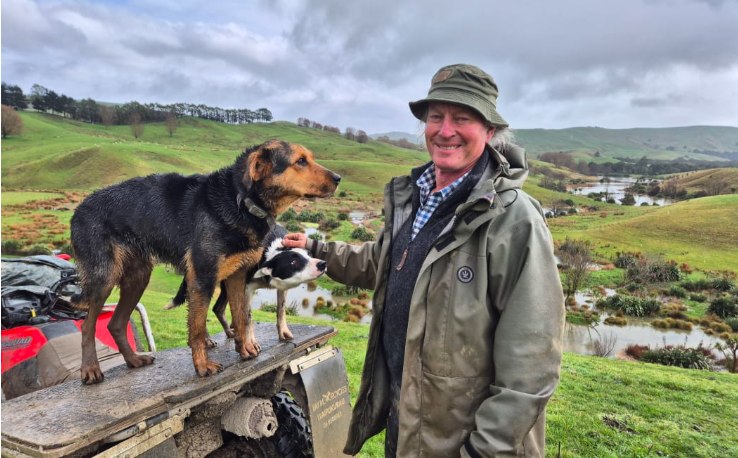
James Hunter farms Rangitoto Station. Farmed by Hunters since 1854, it is named after a local Pa site that dates to some of the earliest times of NZ occupation. Working for the Rural Bank in the 1980’s when government schemes focused on clearing bush and wetlands, now described as biodiversity, and travel through South and Central America, reinforced for James that the little things that we have around us must be part of our future. He set out to lift farm’s performance while protecting all remnant native bush/scrub areas, creating wetlands and improving the quality of water leaving Rangitoto. Time on QEII and NZ Farm Environment Trust boards strengthened the ethos that farming and looking after things natural are rewarding companions. James is currently questioning whether the description “regenerative farming” fully accounts for much on his farm “that is a buzz”.
View presentation: What makes a farm “regenerative”? [Open to view]
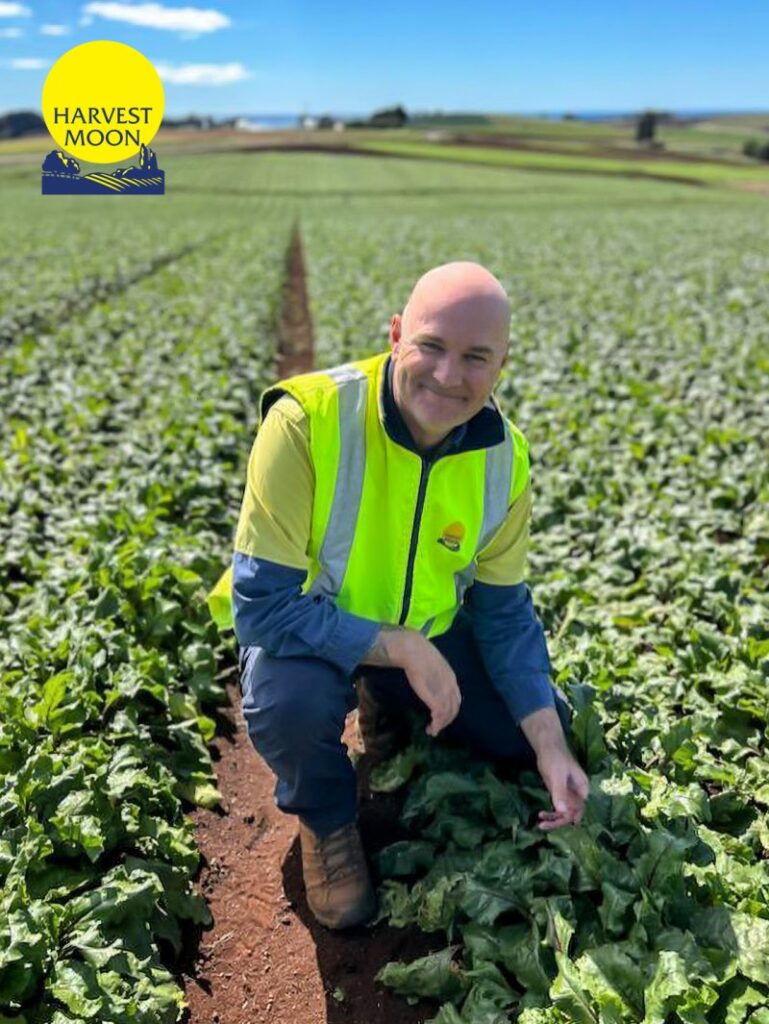
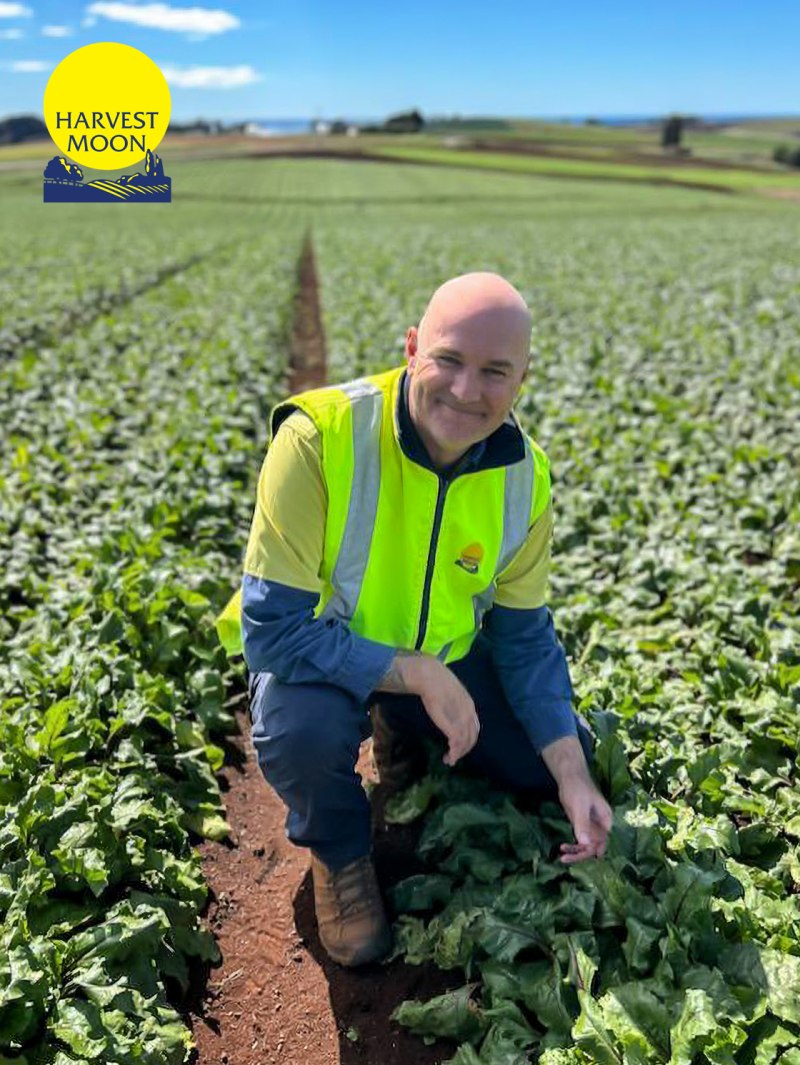
Josh Wing is a Senior Agronomist with Harvest Moon in Tasmania, bringing more than 30 years of agricultural experience to vegetable production. Raised on a mixed family farm conducting dairy, beef, potatoes and raspberry production, Josh developed a deep respect for the land and the environment from an early age. He joined Harvest Moon in 2012 and today oversees agronomic programs to optimise crop performance, efficiency and sustainable farming outcomes. Josh will walk through how Harvest Moon manages nutrient applications across more than a dozen crops, offering practical, real-world insights for growers looking to sharpen their nutrient strategies, improve efficiency and get more value from the data already available in their farming systems.
View presentation: Soil and plant nutrition at Harvest Moon [Full members only]
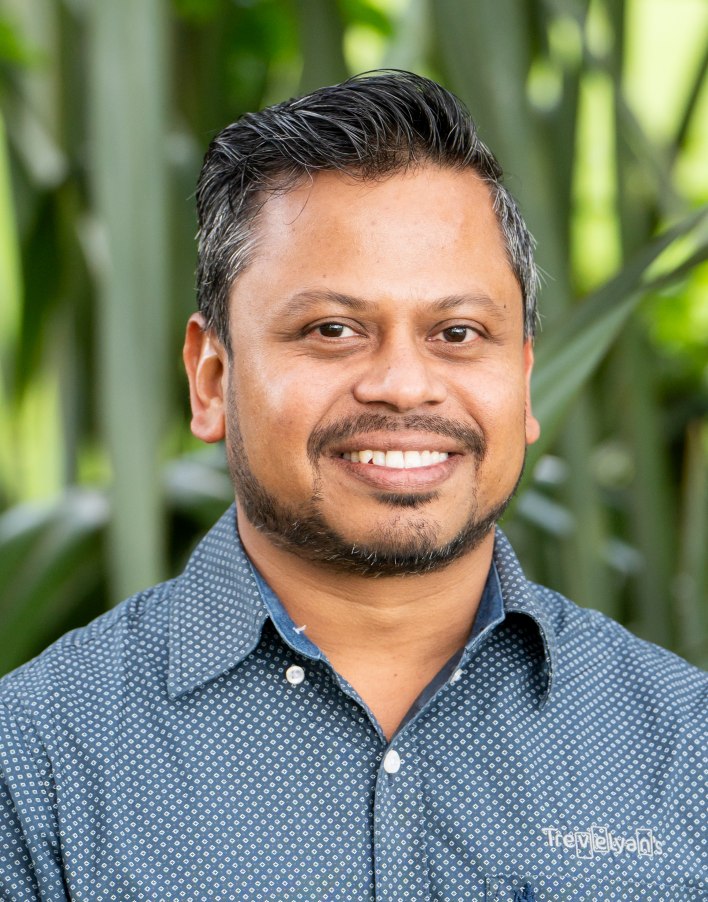
Dr Pranoy Pal is the Kiwifruit Technical Manager at Trevelyan Pack and Cool. Across the regions, he provides science-based advice and support to kiwifruit growers to help optimise orchard performance with a special focus on sustainability and regenerative practices. Pranoy has 13+ years’ research experience in on-orchard and post-harvest systems, soil nutrient cycling, greenhouse gas emissions, and pest management. he will present findings from five years of regenerative trials, identify the main barriers to the adoption of these practices by the kiwifruit growers, and offer practical, real-world insights for growers wanting to apply sustainable and regenerative practices on orchards and farms.
View presentation: Regenerative principles in Kiwifruit Production [Full members only]
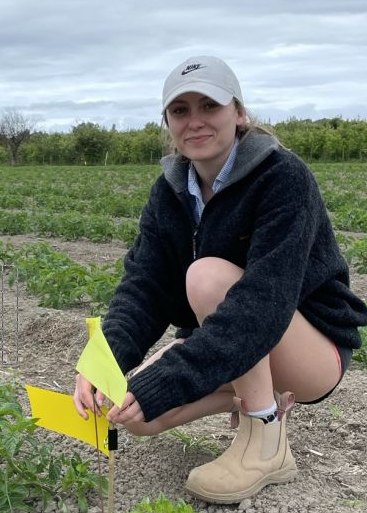
Olivia is LandWISE Project Manager, overseeing trial coordination, field operations, and data collection. She leads the Carbon Positive trial, a six-year project comparing three cropping systems, Conventional, Hybrid, and Regenerative, with a strong focus on improving soil health and building soil carbon. Olivia completed a Bachelor of Science (Environmental) with a focus on soils and earth science. Olivia will present an overview of Carbon Positive, focusing on the fourth cropping season, in which butternut pumpkins were grown. The presentation will explain how reduced nitrogen inputs in the Regenerative treatment maintained comparable butternut yields, alongside key harvest results and gross margin outcomes.
View presentation: Carbon Positive – applying regenerative principles to intensive process crop production 2025-2026 [Full members only]
Dr Dan Bloomer serves as the LandWISE Manager and works independently as a consultant in water, irrigation, soil and land management, and agritech. He brings a diverse set of interests and extensive experience in field trials and extension to his role overseeing the LandWISE research portfolio. At Soil Health for Profit in 2026, using data from Carbon Positive paddock measurements, Dan will present a modelling approach that demonstrates the critical factors for maintaining or growing soil carbon levels in cropping systems.
View presentation: Carbon Positive – making sense of carbon data [Full members only]
John Evans
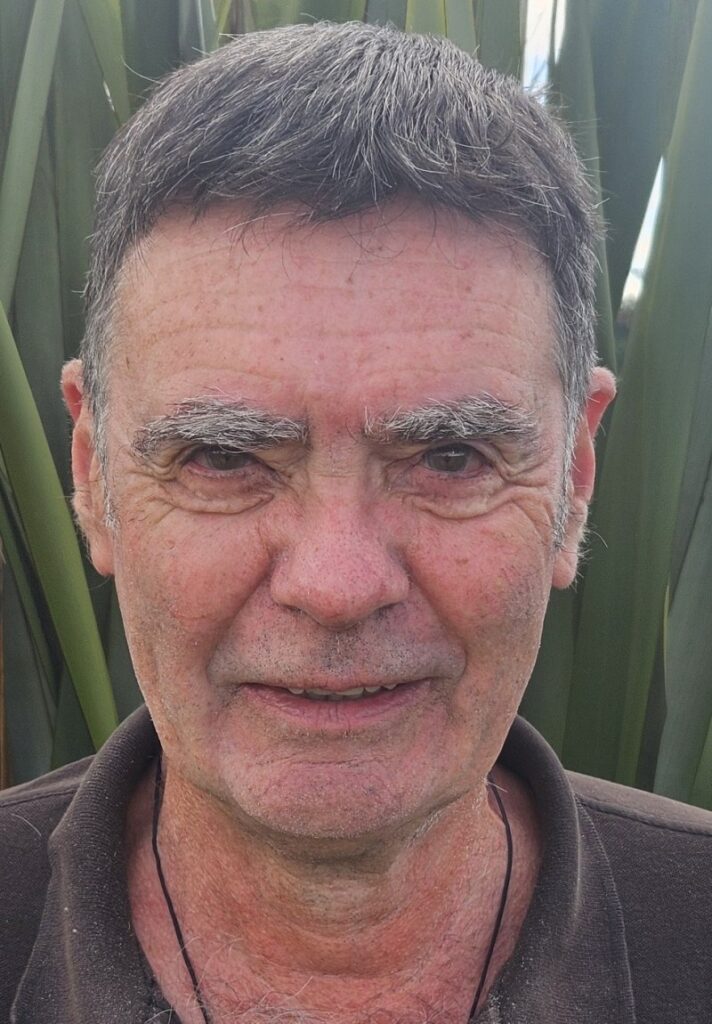
Past LandWISE Chair, John grew up on a mixed arable livestock farm near Ashburton. He was exposed to soil improvement at a young age as his parent’s developed half of the property from Gorse Broom Blackberry and Willows into a highly productive irrigated mixed system. Returning from Lincoln Uni, the farm was sold for a larger rundown property in Dorie. Over 36 years, continued his soils interest and developed the property for irrigation and pivoted the operation taking up the opportunities that came along, finishing with a highly productive Arable livestock operation. Now retired, he is enhancing the biodiversity on his lifestyle block near Ashburton.
View presentation: A career in cropping – building soil [Full members only]
Bill Ritchie
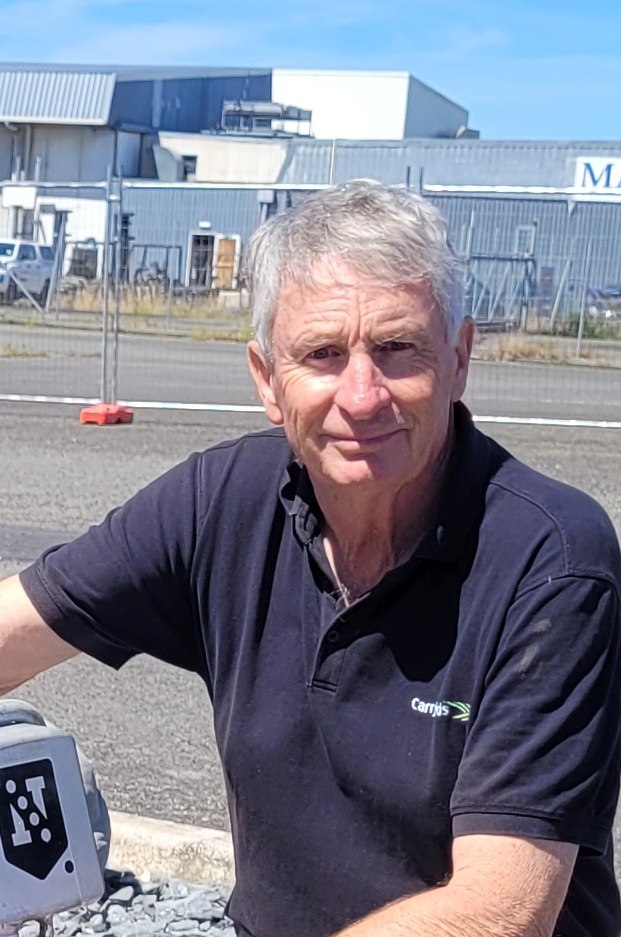
Bill Ritchie is Product Specialist with Carrfields. Part of the Massey University team that developed inverted-T no-tillage technology, initially commercialised as Cross Slot, Bill has over 40 years’ experience with no-tillage systems in a wide range of environments. He continues to promote reduced tillage systems for their environmental, cost and labour-saving benefits together with enhanced resilience to changing climate challenges. Bill lead an in-field strip-till discussion on creating a seed environment from the plant’s perspective. What constitutes an “ideal seedbed”? What factors should be considered when choosing equipment?
Andy Mawley
Andy Mawley has spent his entire life working with spray application, from orchards to broadacre farming and large-scale cropping operations. He understands how important it is to maximise the effectiveness of the chemistry you’re using—and how often small, easily overlooked details can impact performance.
Andy travels extensively, working alongside growers and operators to identify opportunities for improvement, continuing to learn from each situation. With this depth of experience, a fresh, outside perspective, and straightforward solutions, Andy offers valuable insights to help refine spray coverage, improve application practices, and enhance overall efficiency.
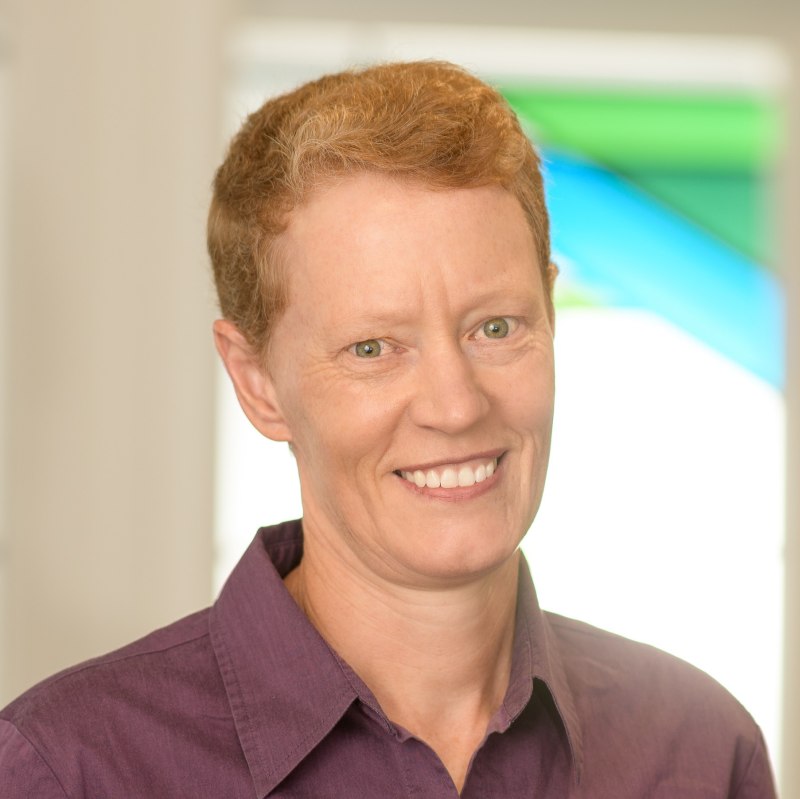
Dr Sally Anderson is the Scientific Services Manager for Market Access Solutionz Ltd and provides technical advice in plant health research, biosecurity, crop protection, export market access. Her roles include co-ordinating VR&I and managing Summerfruit, Citrus and Onions R&D programmes. Sally helped secure funding from MPI NIWE fund to support monitoring post-Cyclone Gabrielle to better understand how highly productive land recovers from these extreme weather events. Lessons were showcased at the Cyclone Gabrielle Research Symposium in November 2025. Sally will summarise the key insights from the Symposium that strengthen our response to better manage future extreme weather events and the impact on highly productive land.
View presentation: Cyclone Gabrielle Research Symposium [Full members only]
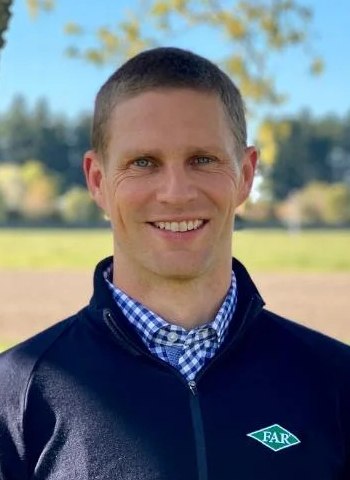
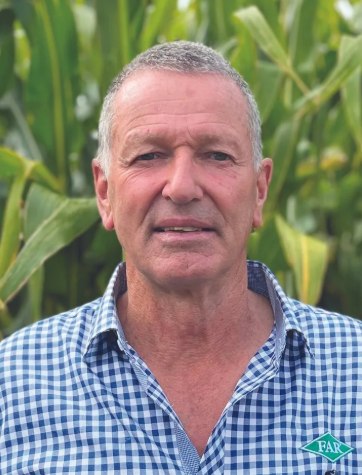
Dr Dirk Wallace is a Senior Researcher with FAR, bringing 15 years of experience investigating how on‑farm decision‑making shapes profitability and environmental performance. He is passionate about building great soils that work for growers, and improving understanding of the relationships between soils, crops, and profit. His research interests have led to a role in developing a programme of work to support the recovery of annual cropping systems following Cyclone Gabrielle. Dirk and colleagues captured grower experiences, documenting impacts and the management decisions made during recovery from Cyclone Gabrielle. By recording both successes and setbacks the work provides a practical, experience‑based resource to support faster and better‑informed recovery.
View presentation: Cyclone Gabrielle, turning sediment into soil [Full members only]
Dr. Charlie White is an associate professor and extension specialist at Penn State University, focusing on cropping system management strategies to promote nutrient availability, soil health, and environmental quality. Current programs include improving nitrogen recommendations to credit cover crops and soil organic matter, enhanced efficiency nitrogen and phosphorus fertilizers, evaluating nitrogen fixing microbial products for corn, enhanced rock weathering, and use of wood and manure-based biochars as soil amendments. In this presentation, Charlie will share some of the key insights into managing cover crops for nutrient management and soil health that he has learned through twenty years of research.
View presentation: 20 years of cover crop and soil health research & extension [Full members only]
Josh Wing is a Senior Agronomist with Harvest Moon in Tasmania, bringing more than 30 years of agricultural experience to vegetable production. Raised on a mixed family farm conducting dairy, beef, potatoes and raspberry production, Josh developed a deep respect for the land and the environment from an early age. He joined Harvest Moon in 2012 and today oversees agronomic programs to optimise crop performance, efficiency and sustainable farming outcomes. Josh will walk through how Harvest Moon manages nutrient applications across more than a dozen crops, offering practical, real-world insights for growers looking to sharpen their nutrient strategies, improve efficiency and get more value from the data already available in their farming systems.
View presentation: Soil and plant nutrition at Harvest Moon [Full members only]
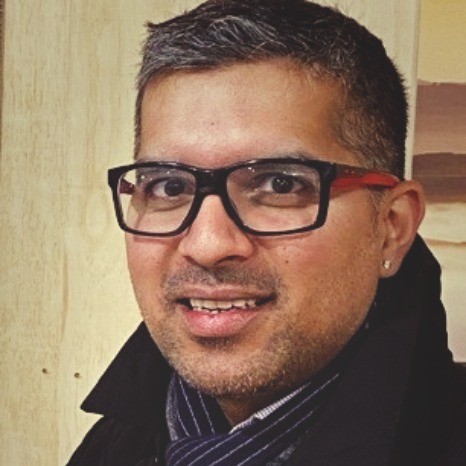
Uttam Singh Floray is Senior Programme Lead – Primary, Transport & Manufacturing at Toitū Envirocare. A seasoned Sustainability Consultant with extensive expertise in Environmental, Social, and Governance (ESG) frameworks, carbon accounting, and compliance solutions, he has a range of qualifications including a BSc in Biotechnology and a Bachelor of Viticulture and Wine Science.
In his presentation, Uttam asks, “Do all nitrogen amendments have the same footprint?”
View presentation: Do all nitrogen amendments have the same footprint? [Full members only]
Dr Dan Bloomer serves as the LandWISE Manager and works independently as a consultant in water, irrigation, soil and land management, and agritech. He brings a diverse set of interests and extensive experience in field trials and extension to his role overseeing the LandWISE research portfolio. At Soil Health for Profit in 2026, he will revise LandWISE strip-tillage research since 2000, work that saw the genesis of LandWISE itself.
View presentation: Going way back – LandWISE’s history of Minimum Tillage [Full members only]
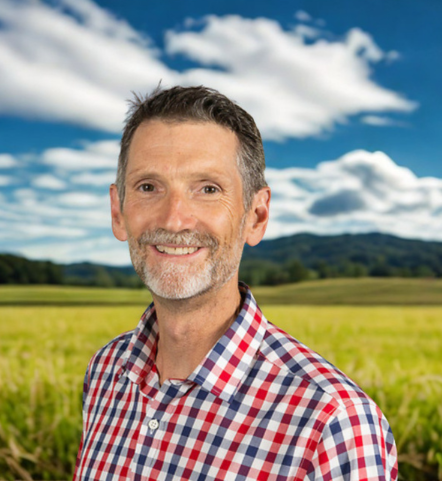
Richard Pentreath has more than 25 years’ experience across orchard management, industry extension, consulting, and governance in New Zealand’s horticulture sector focused on orchard productivity, grower extension, and applied research. He runs Boost Horticulture, where regenerative practices are applied and tested in a commercial kiwifruit system, strengthening his focus on soils, and long-term orchard resilience.
Based on his Kellogg Rural Leadership Programme research, Richard will explore why soil health continues to sit on the periphery of decision‑making, despite being central to long‑term orchard and farm performance.
View presentation: Answers under foot: should soil health be our #1 priority? [Full members only]
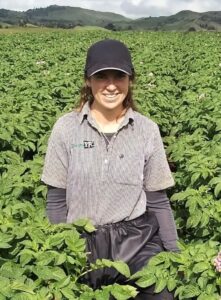
Katherine Martin is a consultant at Perrin Ag, working across agronomy, farm systems, and environmental planning. Her work spans vegetable and pastoral systems, with a strong focus on soil health and regenerative practices at the paddock scale, translating research into practical, farm‑ready insights for growers. Crop stacking in intensive vegetable production offers an innovative approach to avoid bare soil between crops, that can lead to nitrogen leaching and soil erosion, by keeping living ground cover in place for the months that would otherwise be fallow. Her presentation will share findings from a three‑year programme (2023–2025) testing crop stacking in a commercial broccolini system in Pukekohe.
View presentation: Crop stacking, best practice of tomorrow [Full members only]
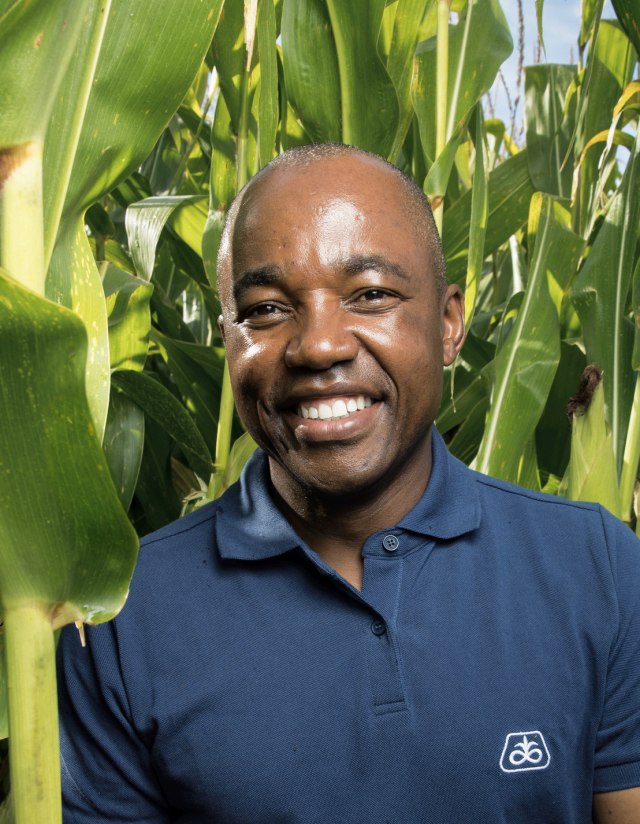
Dr Rowland Tsimba is the National Research & Agronomy Manager at Genetic Technologies Limited (Pioneer®), Hamilton. An agronomist with more than 25 years’ experience, he has worked across agricultural research, the seed industry, and on-farm extension in New Zealand. He leads Pioneer’s national field research programmes, with emphasis on maize agronomy, establishment, soil health, and tillage systems, including practical ways to reduce environmental impacts. Drawing on a long-term Waikato continuous maize silage cropping study, he will compare conventional, strip and no-till systems. Using establishment, yield, soil physical performance, and early carbon dynamics, he will challenge assumptions and raise practical decisions that matter in the paddock.
View presentation: Long term evaluation of tillage systems for maize silage in New Zealand [Full members only]
Simon White
LandWISE Chair, Simon White is a farmer and entrepreneur based in Otane, Hawke’s Bay. He and his wife, Lou, have built a diverse operation with soil health at its core. They have a mix of arable cropping and sheep and beef finishing across 1100 hectares which has been in their family for three generations. Among other awards, Simon and Lou won the regional supreme title at the 2025 East Coast Ballance Farm Environment Awards, which recognised their focus on sustainability and business success built on diversification and innovation. Simon will discuss his implementation of strip-till and no-till for forage and seed crops.
View presentation: Minimising tillage at Ludlow Farms [Full members only]
Rene van Tilburg is the Senior Maize Researcher at FAR leading the development of the maize research strategy and overseeing a range of trials. He focuses on identifying the constraints that limit yield and productivity, with a particular interest in moving beyond simple comparisons to understanding the mechanisms that drive system performance.
Rene’s work emphasises understanding how and why systems respond, creating opportunities to better manipulate them to a grower’s advantage. This approach underpins the current research strategy and trial programme, reflecting a shift toward mechanism-driven research to improve on-farm outcomes.
View presentation: Long term maize establishment and cover cropping research in the Waikato [Full members only]
Minimum Tillage Discussion Panel [Open to view]
Thank you to our speakers and to our sponsors!