McLean Park, Napier 26 September 2026
We’ve been invited to show our journey of electrification at the MicroFarm as part of the Electrify Hawke’s Bay Expo on 26 September. It is a free to attend event being held at McLean Park in Napier.
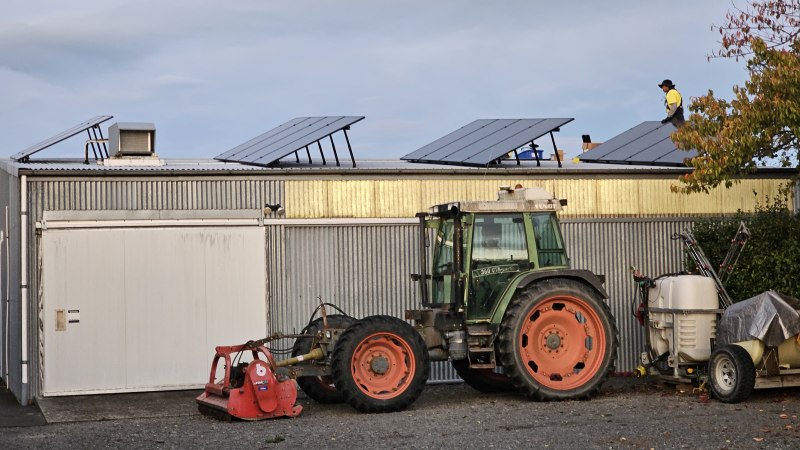
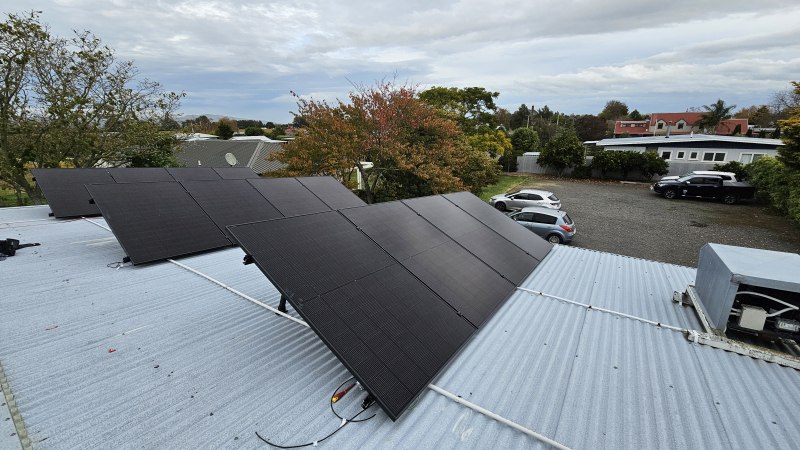
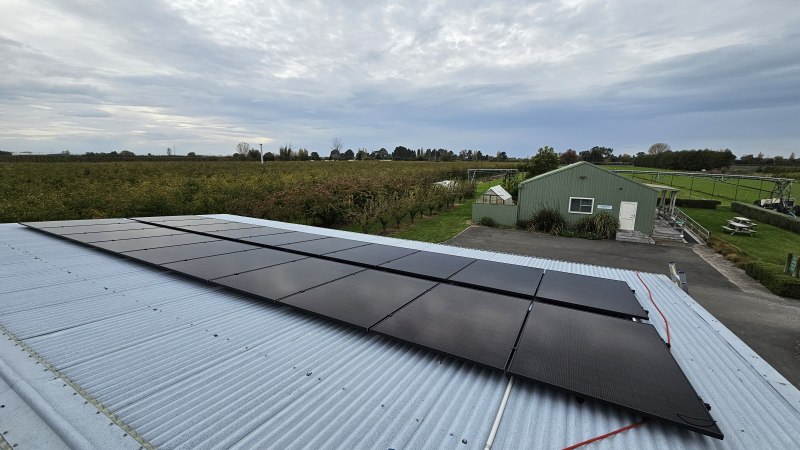
The base of our transition was installing rooftop solar which now provides the majority of our power requirements. That includes the Centre for Land and Water Farmhouse Offices building, the Green Shed seminar venue, and our workshed and equipment and irrigation.
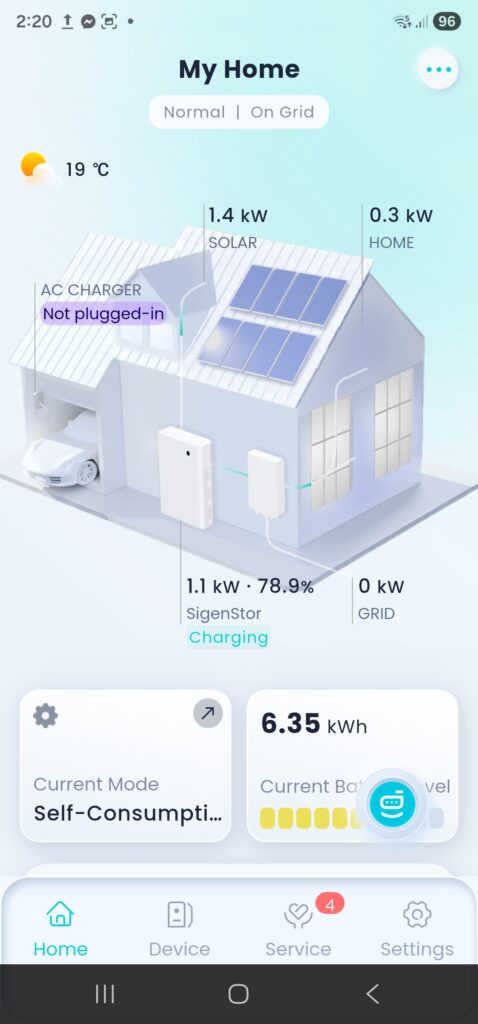
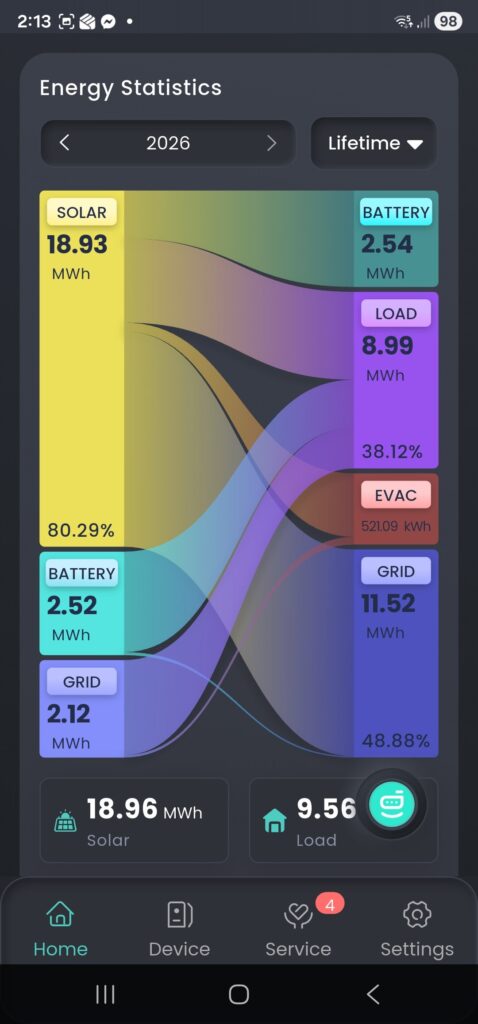
The handy app shows us exactly what is going on, either instantly or over a chosen period.
We quickly understood consumption and could adjust what we did to maximise savings. For example, our hot water is timed to heat only after 11am, when the highest chance of solar meeting the power requirements.
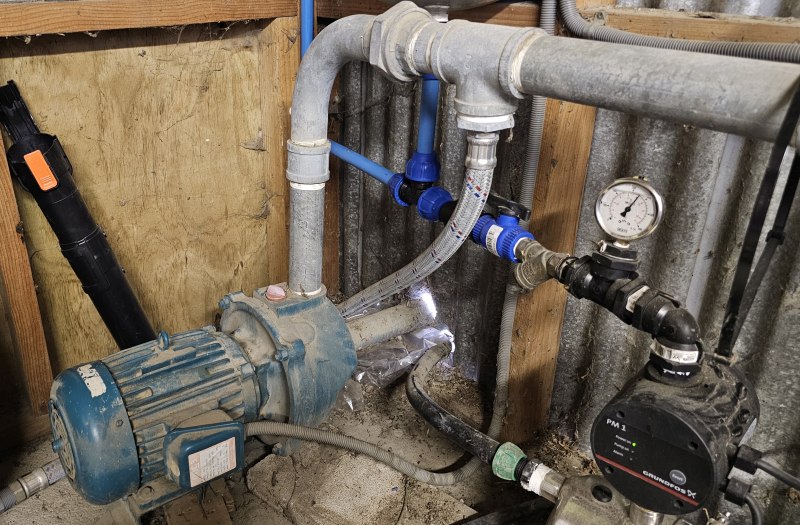
Our irrigation pump generally runs in summer and on fine days, so most of our pumping is solar powered too.
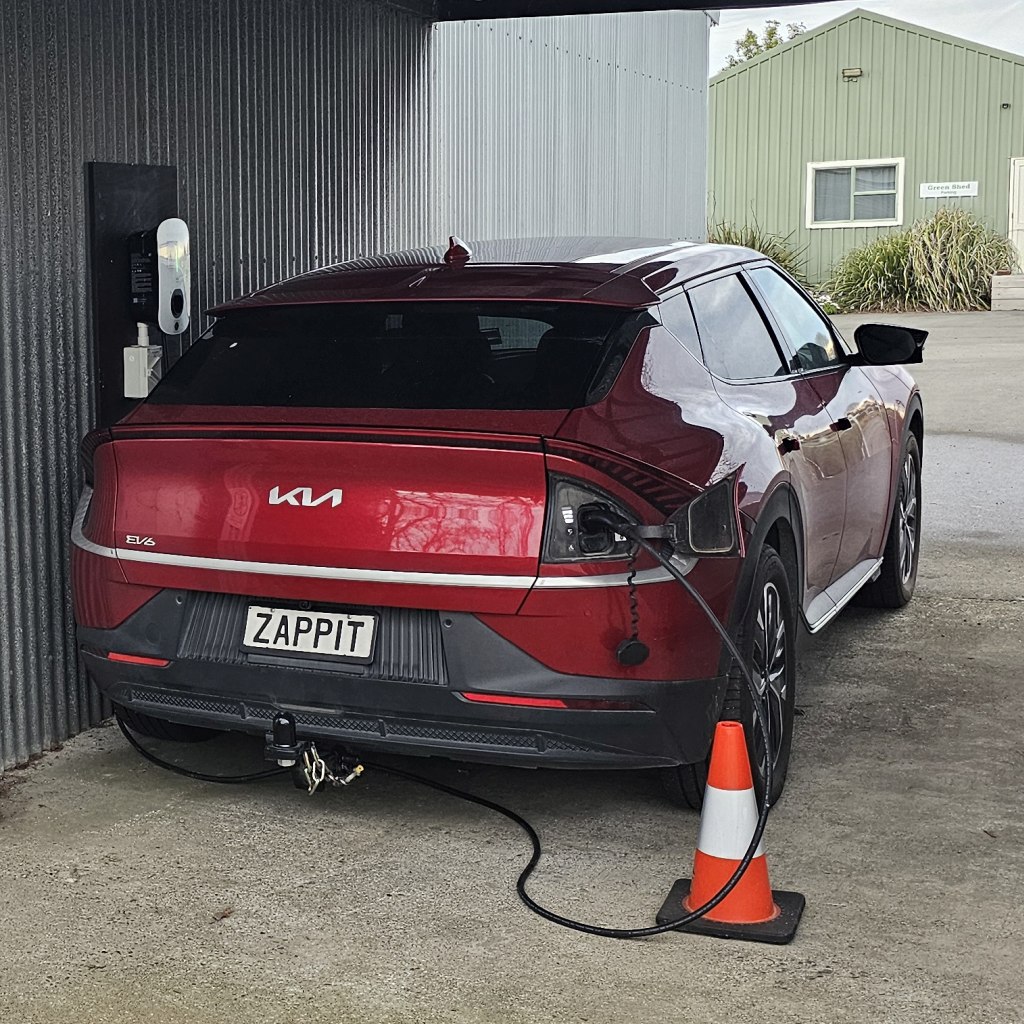
Over the course of a year, our excess generation pretty much covers to cost of energy we buy in and our lines charges. We are not using our vehicle charging as much as we could because that tends to happen at home under a free 3-hours plan. If we do want to charge at work, we can use solar at up to 7 kW, or fast charge using grid power at a little over 20 kW.
We still have a petrol ute. Unless we need the loadspace, or are carrying dirty stuff, we use electric cars instead. Or an electric car and trailer.
To date, Dan’s EV6 has done 70,000km, at an average running cost including charging on road trips of 3c + RUC/km. Servicing costs are minimal – the total over the first four years was the same as one service on a petrol Hilux.
The car’s range varies with the weather – less in heavy rain and very cold or very hot conditions. In normal operation, the range is still around 520KM – the same as new. A recent battery health check reported 99.99% capacity.
Towing capacity is 1,750 kg, and we’ve happily taken a trailer with a couple of drying ovens to Albany in Auckland for servicing. Stops in Taupo and Bombay fitting bathroom and coffee breaks – the main issue was leaving the cafe too soon as charging was finished.
Our building water is mostly solar because we tend to be at work when the sun is up.
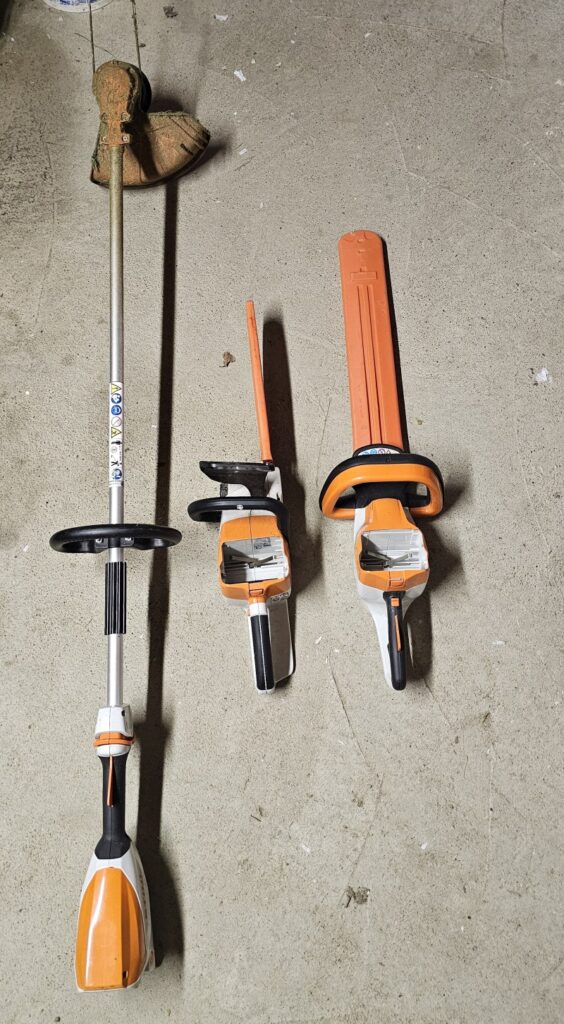
Other electrification options include swapping 2-stroke engines for electric motors. After years using battery powered drills and saws, changing to an electric chainsaw, weed-trimmer and leaf-sucker was a simple decision. Quiet, stink-free and next to no servicing!
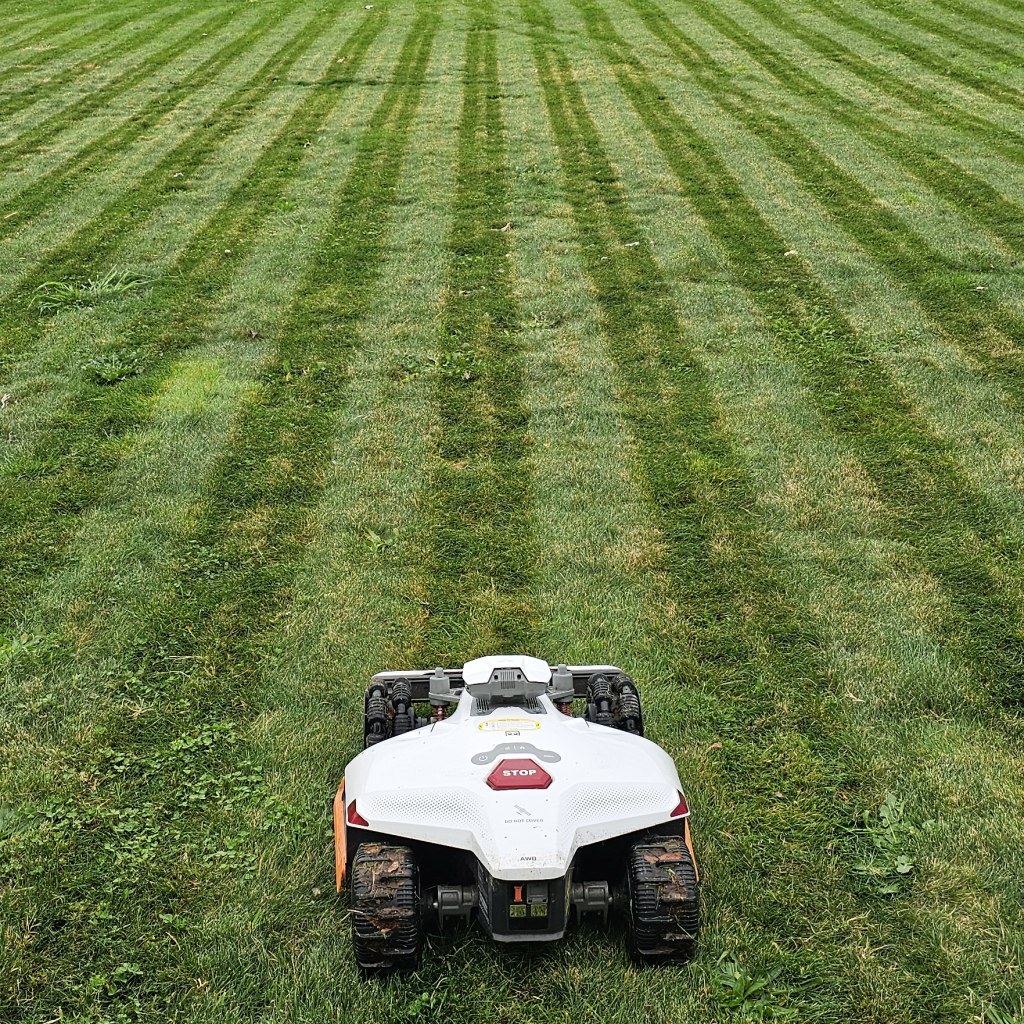
Another big change is using small robotic electric lawn mower instead of the petrol ride-on. Not only does that save a lot of fuel cost, there’s also a huge time saving. We still have the old ride-on that we use for some rough areas but that reinforces just how good the robot option is!